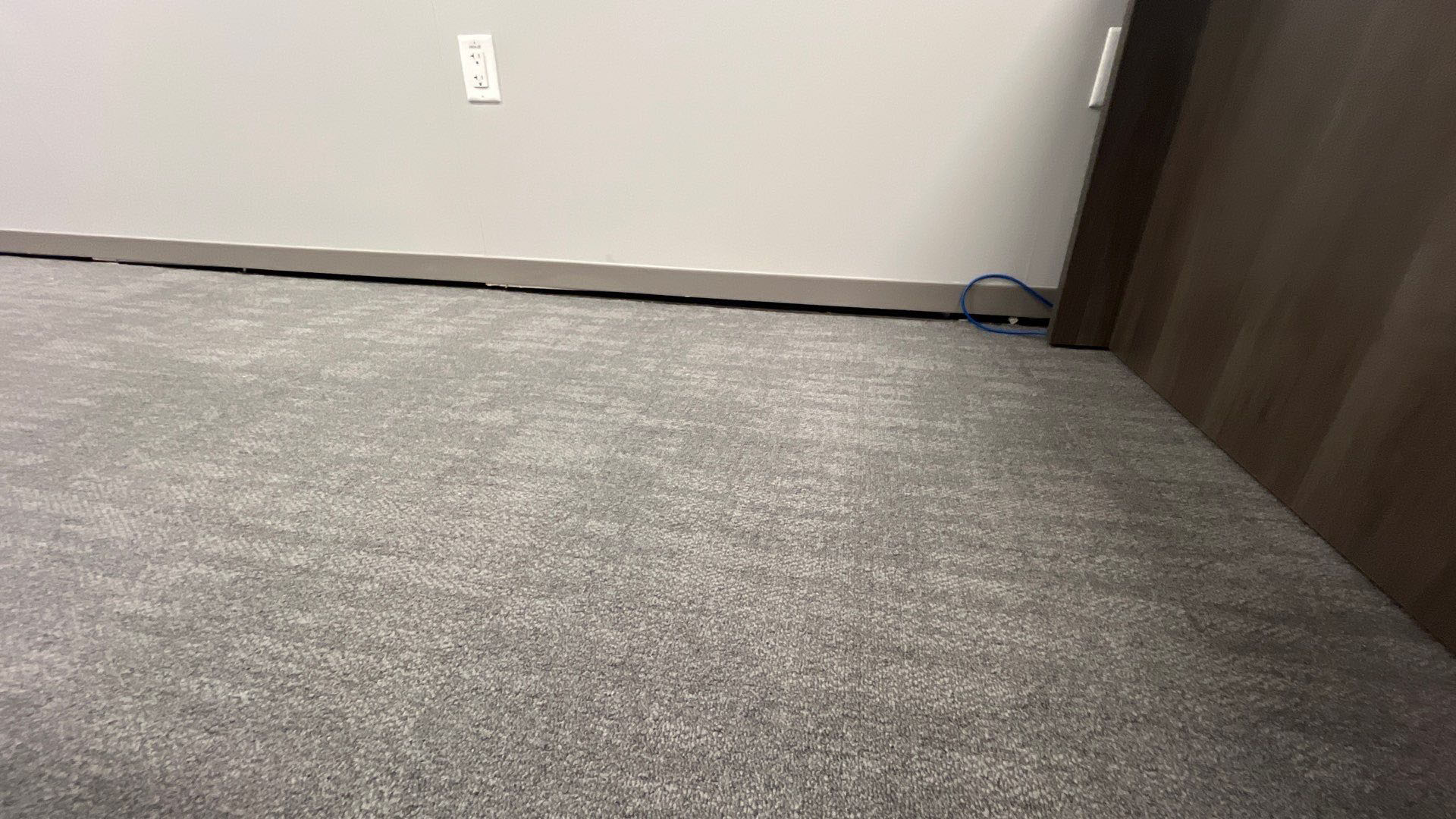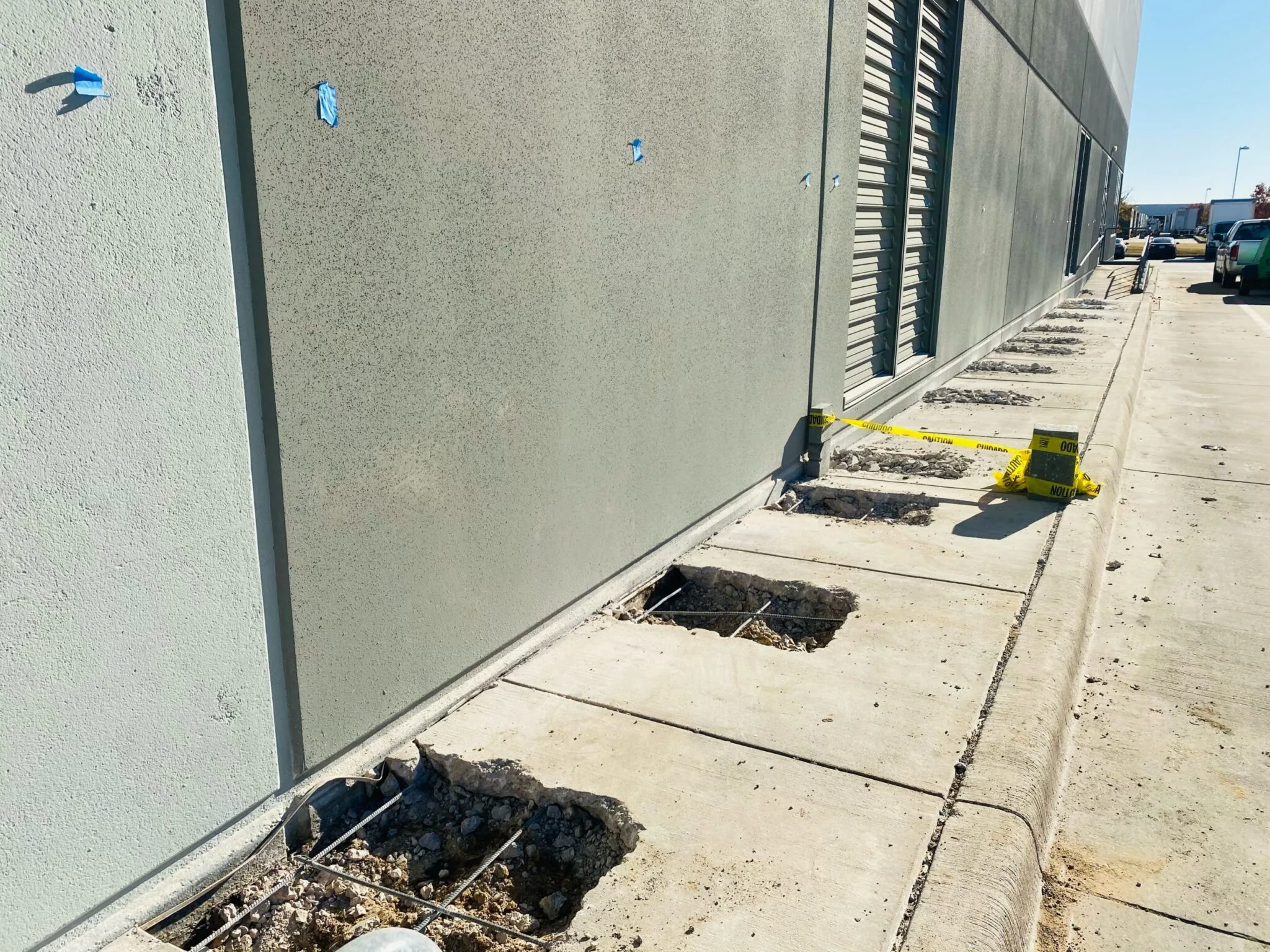
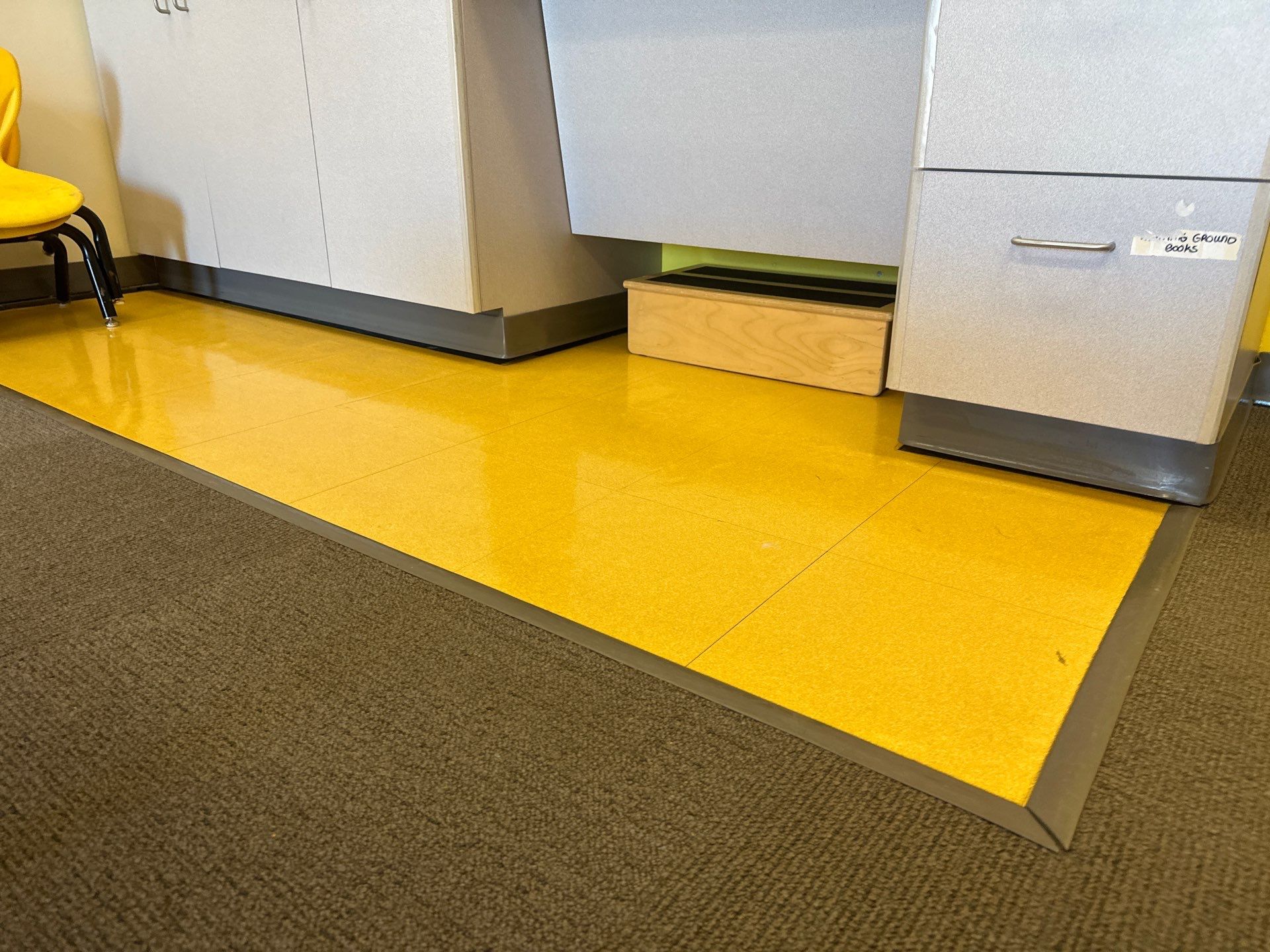
Every long-lasting commercial building rests on a strong foundation. With proper soil preparation and construction, these foundations can provide decades of trouble-free performance. However, small issues with existing foundations often grow into bigger problems when overlooked. Routine maintenance is essential for catching warning signs before extensive repairs are required.
The property manager is the one who’s most responsible for identifying warning signs and hiring the necessary foundation professionals to handle any intensive maintenance and repair steps. Take a proactive approach to commercial foundation maintenance with our comprehensive guide.
What Does Commercial Foundation Maintenance Include?
Simply repairing any cracks that appear in concrete slabs or foundation walls isn’t a comprehensive maintenance plan. In addition to patching the cracks that occur as normal settling occurs, you need to include steps like:
- Water and drainage management with appropriate grading and landscaping
- Waterproofing on the interior and exterior of foundation walls
- Routine visual inspections of both the inside and outside of the structure, looking for soil pulling away from the foundation and bowing walls
- Crack and movement monitoring, including accurate record-keeping.
You don’t have to learn about your building’s foundation needs all on your own. Bringing in a professional inspector is often the best way to get customized recommendations on specific building features that need extra attention during your routine inspections.

The Most Common Foundation Problems Property Managers Must Watch For
Each commercial building is unique, but there are potential foundation problems that can affect them all. Property managers must watch for warning signs of these five major issues and act quickly if they are discovered.
1. Cracks
Cosmetic cracks are normal in foundation walls and concrete slabs, but large, expanding, and uneven cracks indicate more severe damage. The size, location, width, and speed of spread of the crack all matter in diagnosing the problem. Bring in the professionals for an inspection any time you note cracks wider than 1/8th of an inch, follow a stair-step pattern, or long horizontal cracks on walls and ceilings.
2. Settlement or Movement
When the soil under and around the foundation shifts, it leaves voids that allow some of the foundation to settle lower than the rest of it. That cracks open the structure, separating joints in concrete and leading to noticeable changes where walls and ceilings join together. You may notice newly sloping surfaces, sticking doors, and other unexpected shifts. Soil settling can be caused by everything from extreme heat and drought to poor site preparation.
3. Water Intrusion
Water that drains down next to the foundation walls can erode enough soil away to compromise the entire structure. This can occur due to a lack of gutters, leaks in the plumbing of the commercial building, hydrostatic pressure forcing water through concrete, and inadequate foundation waterproofing. Standing water, moldy odors, and damp walls all indicate serious foundation issues.
4. Drainage and Grading Issues
Water allowed to collect near foundation walls increases the long-term risks of soil washing away due to erosion. Excessive moisture also leads to compaction and expansion, depending on the type of soil, and both can damage the foundation. Everything from the placement of downspouts to the grading during the earliest stages of construction site preparation can affect the long-term stability of the commercial building.
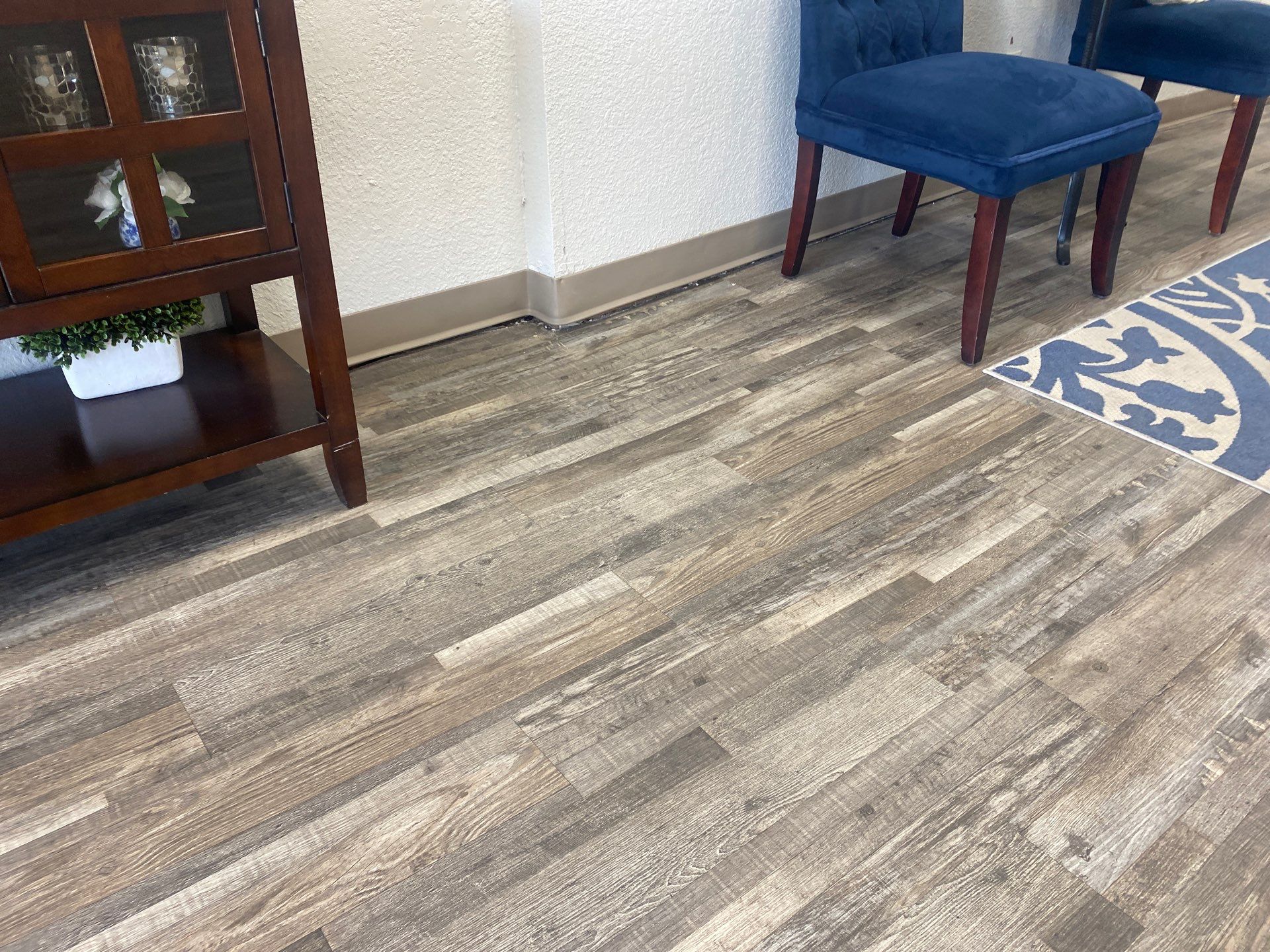
5. Sloping and Uneven Floors
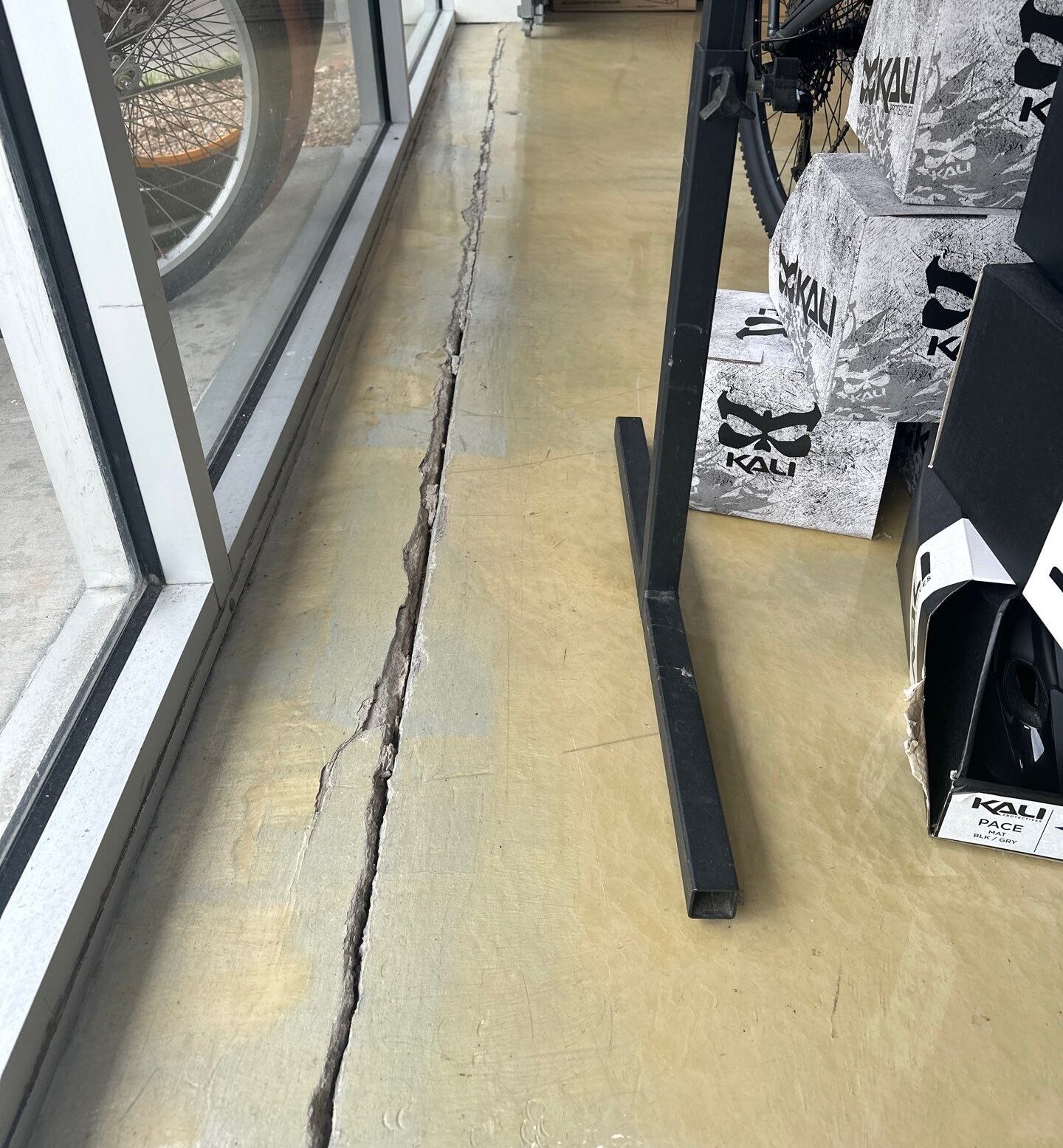
A serious sign of settlement across the commercial structure is a new slope across concrete floors. If there is a large crack and the two surfaces are no longer even on both sides, the damage likely originates with the foundation. Have your structure inspected ASAP if you notice these issues developing in your warehouse or other commercial space.
How Often Should Commercial Foundations Be Inspected?
Property managers can provide basic foundation inspections during other routine property checkups, including after severe storms, flooding, or after nearby excavation and construction. Don’t forget to inspect the foundation after plumbing failures, major renovations, or when any new cracks appear in the walls, ceilings, and floors of the upper floors. Document all inspection dates and observations, along with corrective actions. Follow up with professional foundation inspections once to twice a year, depending on the age and condition of the commercial building.
A Practical Foundation Maintenance Checklist
Print this checklist so it’s handy when you must tackle foundation maintenance tasks throughout the year.
- Keep gutters and downspouts clean and functioning properly
- Inspect any exposed foundation, basement, or crawlspace walls where available
- Address all plumbing and drainage leaks promptly
- Document all minor and new cracks and compare the length and width over time to determine the growth rate
- Monitor all areas with a history of soil settlement, water intrusion, or foundation pressure leading to bowed walls
- Maintain positive site drainage to direct water away from the foundation, including roof runoff and with appropriate downspout placement
- Call for professional evaluation and repairs if cracks seem to be growing or serious damage like bowing walls occurs
- Keep records of all previous repairs and professional evaluations.
When to Call a Foundation Professional
Minor foundation issues may respond well to cosmetic treatments, but you can’t DIY serious repairs. Warning signs that warrant immediate professional intervention include:
- Bowing, leaning, or displaced foundation walls
- Significant differences in floor heights of over 2 inches
- Persistent or high-volume water intrusion
- Rapidly growing or changing cracks
- Structural elements showing signs of distress, such as bent and twisted beams
- Doors, floors, and walls becoming noticeably misaligned.
Make Foundation Maintenance Proactive with the Help of Pinnacle Foundation Repair
Proactive foundation maintenance protects your commercial building and reduces your emergency workload as the property manager. Prioritize the three pillars of maintenance: regular inspections, controlling water, and tracking changes. Document the conditions of the building’s foundation and bring in the professionals whenever you suspect serious damage has occurred. Reach out to Pinnacle Foundation Repair today for commercial inspections, repairs, and foundation maintenance recommendations. Get a free evaluation today to start the process of preventing foundation damage in any kind of commercial property you manage.