When you own or manage a commercial building, the foundation isn’t something you think about every day — but it’s one of the first things buyers, lenders, and inspectors focus on. Foundation issues influence how a property is valued, financed, and ultimately perceived during a transaction.
We see this often with commercial properties across Texas. A small crack, uneven floor, or sign of settlement may not disrupt operations right away, but it can raise questions during inspections, appraisals, or underwriting. Once those questions come up, the focus shifts quickly from a building’s potential to its risk — often at the exact moment an owner is trying to sell, refinance, or secure funding.
Why a Strong Foundation Matters for Commercial Properties
A commercial building’s foundation supports the entire structure. When it’s doing its job, everything above it works the way it should. But when the foundation starts to move or deteriorate, the effects usually show up far beyond the slab or piers themselves.
Unlike residential properties, commercial buildings often deal with larger footprints, heavier equipment, higher foot traffic, and more complex structural systems. That added demand means foundation issues can escalate faster — and cost more — if they’re not addressed early.
We also see foundation conditions play a big role in how a property is viewed during inspections and evaluations. Cracks, settlement, or moisture-related movement don’t exist in a vacuum. They often raise questions about drainage, soil stability, and long-term maintenance, all of which factor into how confident a buyer or lender feels about the property.
Common Foundation Types Used in Commercial Buildings
Most commercial properties have foundation systems designed to handle scale and load, but each type comes with its own considerations:
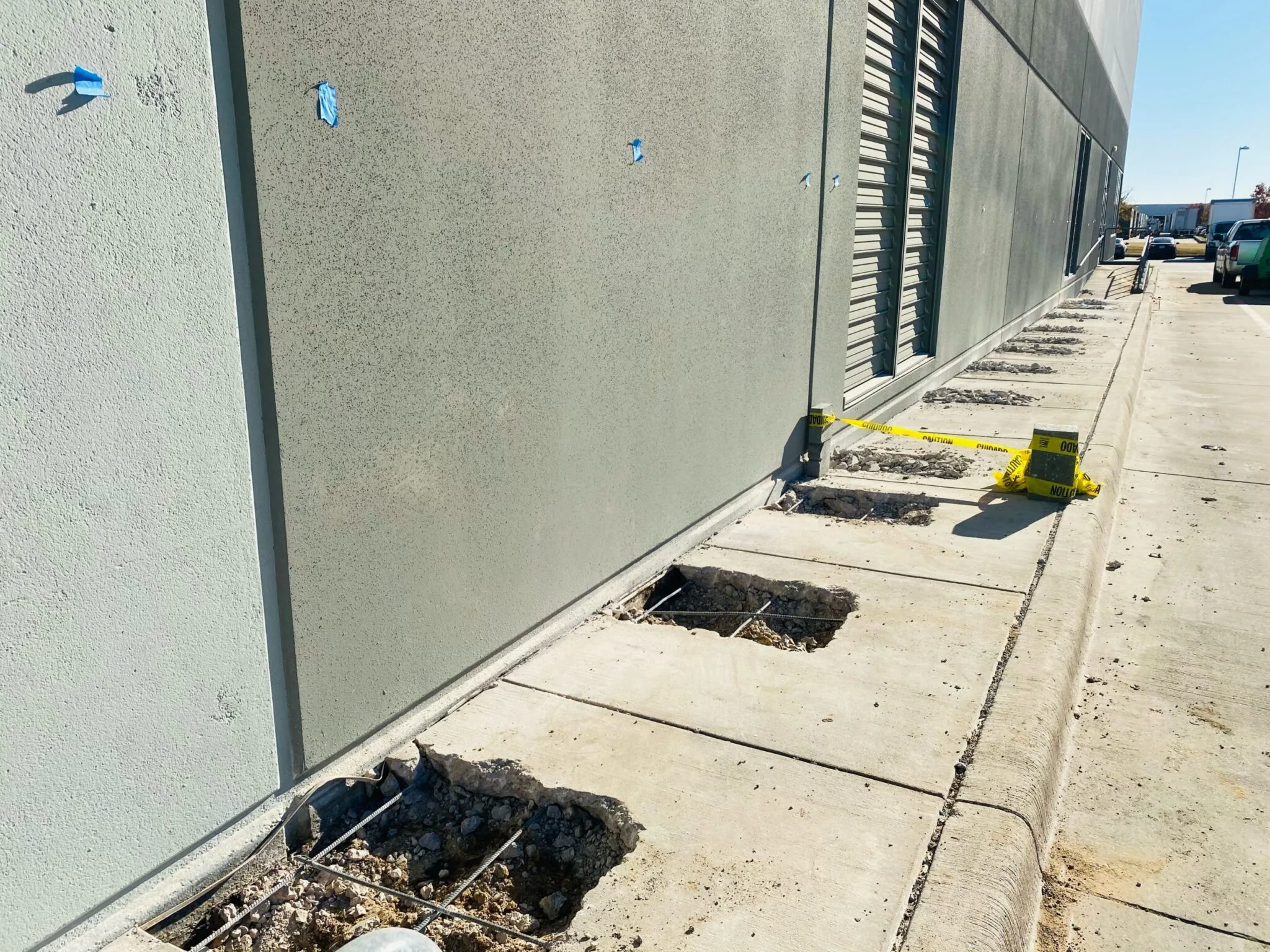
- Slab-on-grade foundations are common in warehouses, retail spaces, and office buildings. They’re cost-effective and efficient, but they rely heavily on proper soil preparation and drainage.
- Pier and beam systems are often used where soil conditions are less stable or where elevation is needed. These systems allow for adjustments over time, but they also require ongoing monitoring.
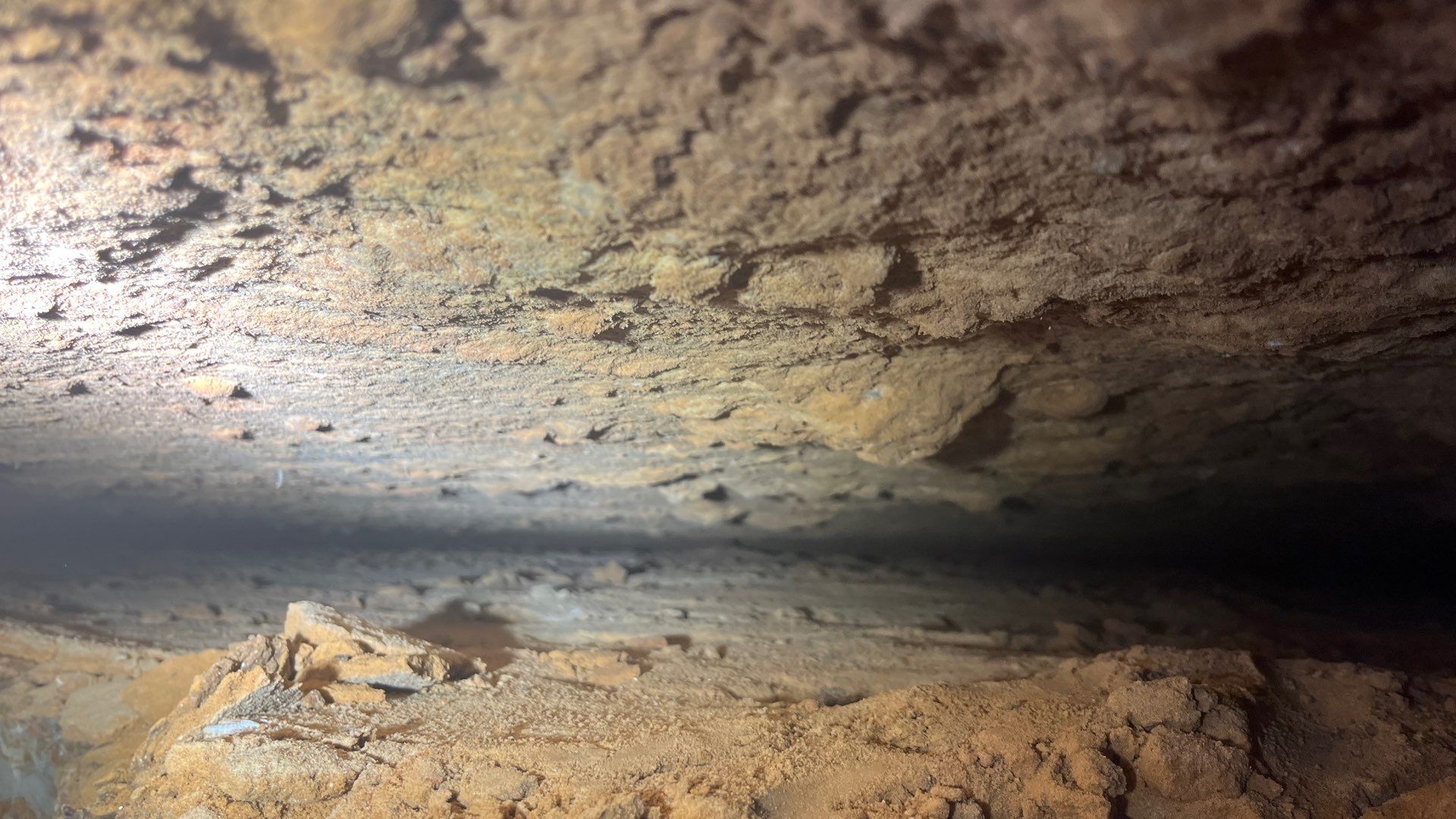
- Crawl space foundations may appear in older commercial buildings or mixed-use properties, offering accessibility but requiring careful moisture control.
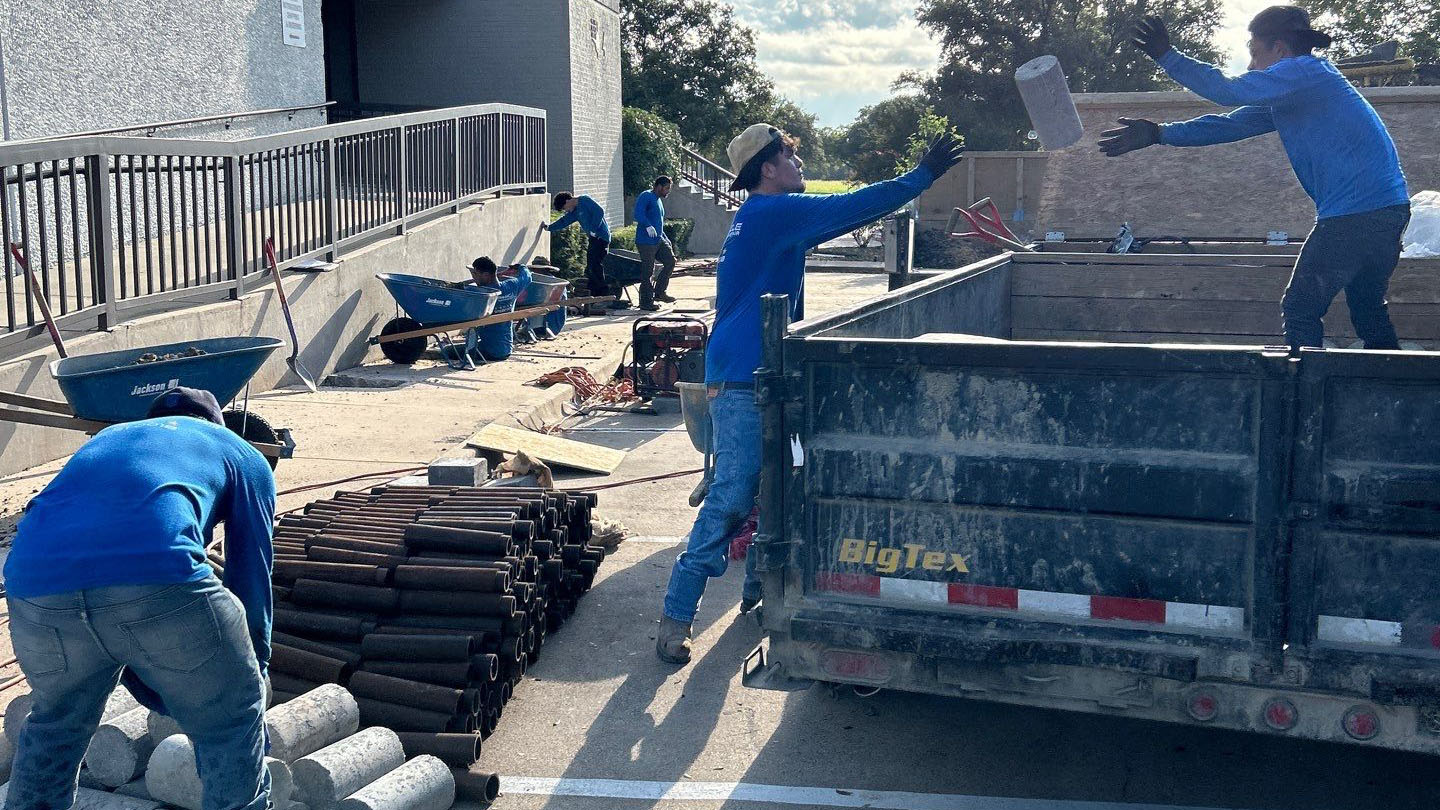
The type of foundation beneath a commercial property and how well it’s performing set the tone for everything that follows, from valuation to financing options.
Foundation Issues Often Found in Commercial Buildings
Foundation problems in commercial buildings don’t always announce themselves right away. Early signs are often subtle and easy to overlook when daily operations aren’t affected, but they tend to surface during inspections, appraisals, or lender reviews. Some of the most common issues we see include:
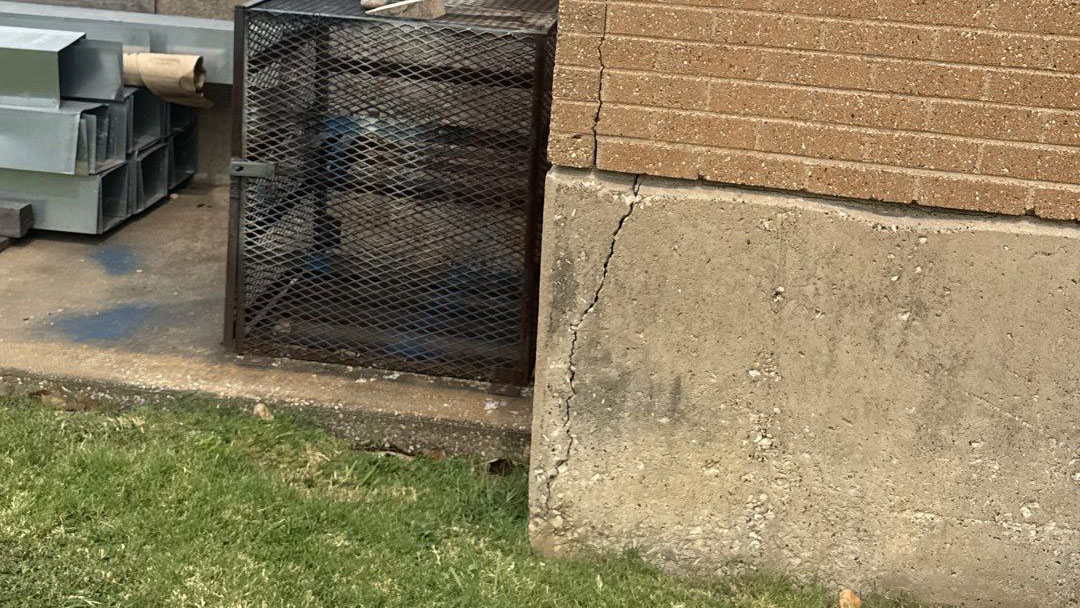
- Foundation cracks and structural movement: Cracks can range from cosmetic to structural, but they almost always raise questions during inspections. Even minor cracking can point to soil movement, drainage issues, or uneven settling beneath the building.
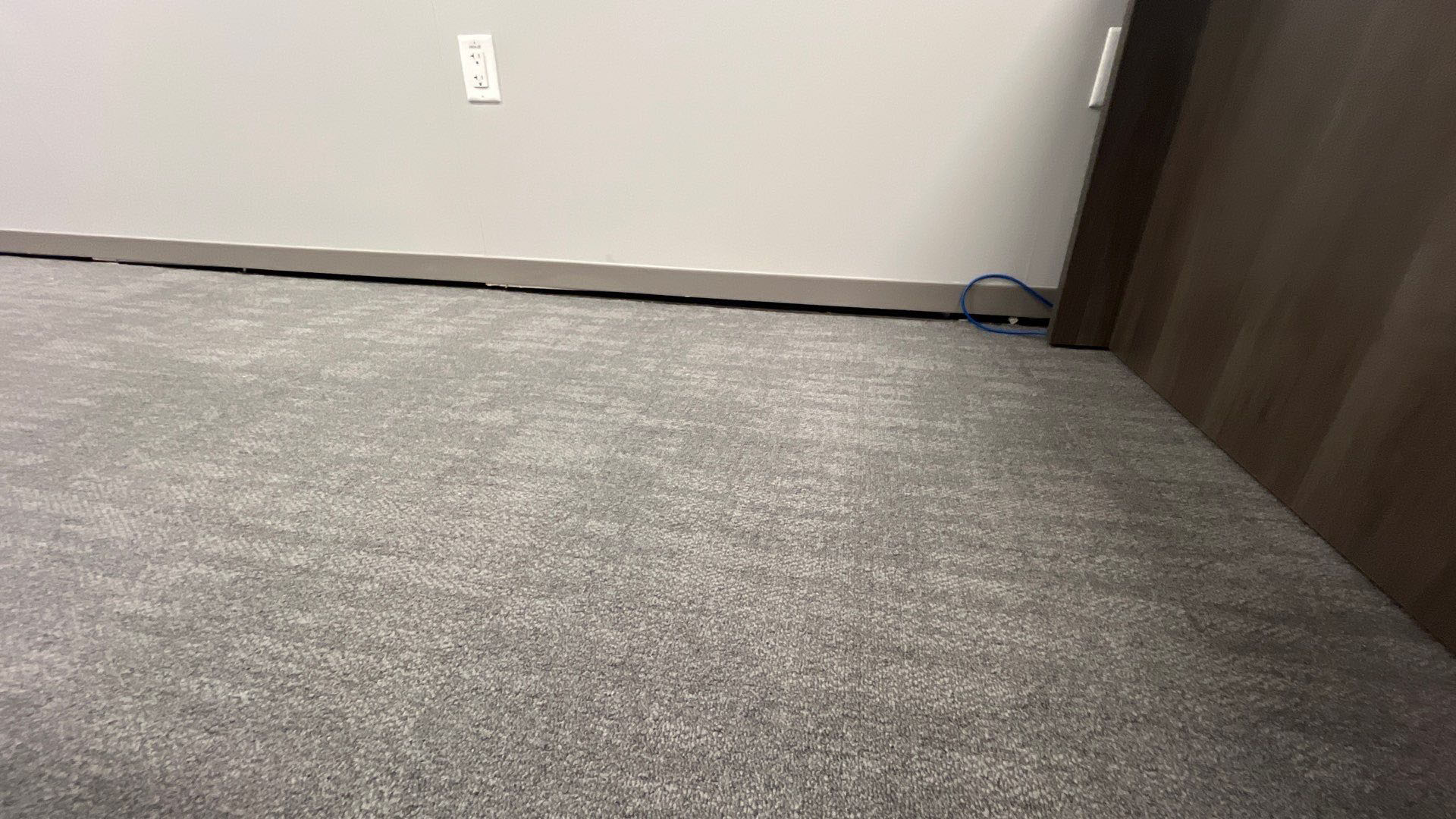
- Uneven floors and building settlement: Sloping floors, sticking doors, or equipment that no longer sits level often indicate settlement that’s developed over time. Once documented, this type of movement can impact safety assessments and lender confidence.
- Moisture intrusion and soil-related issues: Poor drainage, plumbing leaks, and shifting moisture levels — especially in Texas clay soils — can cause expansion and contraction beneath the foundation. These conditions often show up as cracking or settlement tied to what’s happening below the surface.
How Foundation Issues Impact Commercial Property Value
Foundation problems affect both the physical condition of a commercial building and how the property is evaluated on paper. Appraisers, buyers, and investors are all trained to look at foundation issues as a signal of broader risk, even when the damage appears manageable.
Once foundation concerns are documented, they tend to follow the property through inspections, disclosures, and future transactions. That visibility alone can influence value.
Reduced Appraisal Value
During a commercial appraisal, foundation condition is closely reviewed alongside structural integrity and long-term durability. Cracks, settlement, or signs of movement often result in downward adjustments, especially if the cause hasn’t been clearly identified or addressed.
Appraisers aren’t just looking at today’s condition. They’re considering future repair costs, potential liability, and how foundation issues could impact the building’s usable life. When those risks aren’t well-defined, the safest move is often to accept a lower valuation.
Buyer Hesitation and Negotiation Pressure
Foundation issues also change how buyers approach a deal. Even experienced investors tend to slow down once structural concerns enter the picture. Questions about repair scope, cost, and timing can create uncertainty, and that uncertainty usually shows up during negotiations.
In many cases, buyers use foundation findings as leverage — requesting price reductions, repair credits, or extended due diligence periods. Deals may still move forward, but often under less favorable terms for the seller.
Leasing and Tenant Considerations
Property value isn’t just tied to sales price. For income-producing properties, foundation issues can affect leasing potential and tenant retention. Uneven floors, visible cracking, or drainage problems can raise safety concerns and impact how tenants view the long-term reliability of the space.
When tenants hesitate to renew, or new tenants ask questions about building conditions, that instability can affect cash flow. Appraisers and lenders pay close attention to those dynamics when evaluating value.
The Impact of Foundation Problems on Commercial Financing
Financing is often where foundation issues create the biggest headaches for commercial property owners. While buyers may be willing to negotiate around repairs, lenders tend to be far less flexible when structural concerns appear in inspection or appraisal reports.
From a lender’s perspective, foundation problems introduce uncertainty. Anything that affects long-term stability, resale value, or insurability can change how a loan is structured — or whether it’s approved at all.
Challenges Securing Traditional Commercial Loans
When foundation issues are identified, lenders usually ask for more documentation before moving forward. That can include engineering evaluations, repair estimates, or proof that previous repairs were completed correctly. In some cases, loan approval is paused until the foundation issues are addressed.
Even if financing isn’t denied outright, unresolved foundation concerns can slow the underwriting process. Delays during financing often push closing timelines back, which can complicate purchase agreements or refinancing plans.
Higher Interest Rates and Stricter Loan Terms
Foundation issues can also affect loan terms. When a property is viewed as higher risk, lenders may adjust interest rates, require additional reserves, or lower the loan-to-value ratio. These changes increase borrowing costs and can reduce the amount of capital available for other improvements or investments.
For owners looking to refinance, foundation concerns may limit available options or lead to less favorable terms than expected, even if the property has performed well otherwise.
Insurance and Compliance Considerations
Structural concerns don’t stop with financing. Foundation issues can affect insurance coverage and raise questions about code compliance, especially if visible damage suggests ongoing movement. In some cases, insurers may require repairs or documentation before issuing or renewing coverage.
Lenders often factor these risks into their decisions, since insurance and compliance issues can threaten the long-term viability of the property.
Protecting Commercial Property Value Through Early Evaluation and Repairs
When it comes to foundation issues, timing matters. The earlier a problem is identified, the more control you have over how it affects your property’s value and financing options. For commercial owners, a professional foundation evaluation isn’t just a maintenance step — it’s a way to reduce uncertainty before it shows up in an appraisal or loan review.
Clear documentation goes a long way. Inspection reports, engineering evaluations, and records of completed repairs help answer the questions lenders and buyers are already asking. When those details are available upfront, foundation concerns are easier to address and less likely to derail negotiations or financing.
Addressing foundation issues early also allows repairs to be planned around operations and budgets, rather than rushed to meet a closing deadline. In many cases, resolving problems before a transaction begins helps preserve property value and keeps financing options open.

Managing Foundation Risk Before It Affects Value or Financing
Foundation issues tend to surface at critical moments — during a sale, a refinance, or a lender’s due diligence review. While they often start small, unresolved foundation concerns can have an outsized impact on commercial property value and financing when timing matters most.
Staying ahead of those issues puts owners in a stronger position. If you own or manage a commercial property and have questions about your foundation, a professional evaluation can provide clarity before concerns affect value or financing. Pinnacle Foundation Repair offers free commercial foundation evaluations to help you understand what’s happening beneath your building and what steps, if any, may be needed to keep future transactions moving smoothly.