When you own or manage a commercial building, foundation repair costs can feel hard to pin down. One project might involve minor stabilization, while another requires extensive structural work. The difference often comes down to factors that aren’t always visible at first glance.
For commercial properties, foundation repair pricing is influenced by far more than surface damage. Building size, foundation type, soil conditions, access limitations, and repair methods all play a role. Understanding what drives those costs can help you plan more effectively, avoid surprises, and make informed decisions when issues arise.
Why Commercial Foundation Repair Costs Vary So Much
Commercial foundation repair isn’t one-size-fits-all. Compared to residential buildings, commercial structures are larger, heavier, and more complex. They often support greater loads, house specialized equipment, and operate under tighter scheduling constraints.
Because of that complexity, repair costs are tied closely to how much stabilization is actually needed and the extent of the work. The goal isn’t solely to correct visible damage. It’s more about stabilizing the structure to support long-term performance and protect property value.
Key Factors That Impact the Cost of Commercial Foundation Repair
Commercial foundation repair costs are driven by a combination of structural, environmental, and logistical factors. Rarely is pricing determined by a single issue alone. Instead, cost is shaped by how multiple conditions interact — what’s happening below the building, how the structure is designed and used, and what’s required to complete repairs safely and effectively. These factors include:
Type and Severity of Foundation Damage
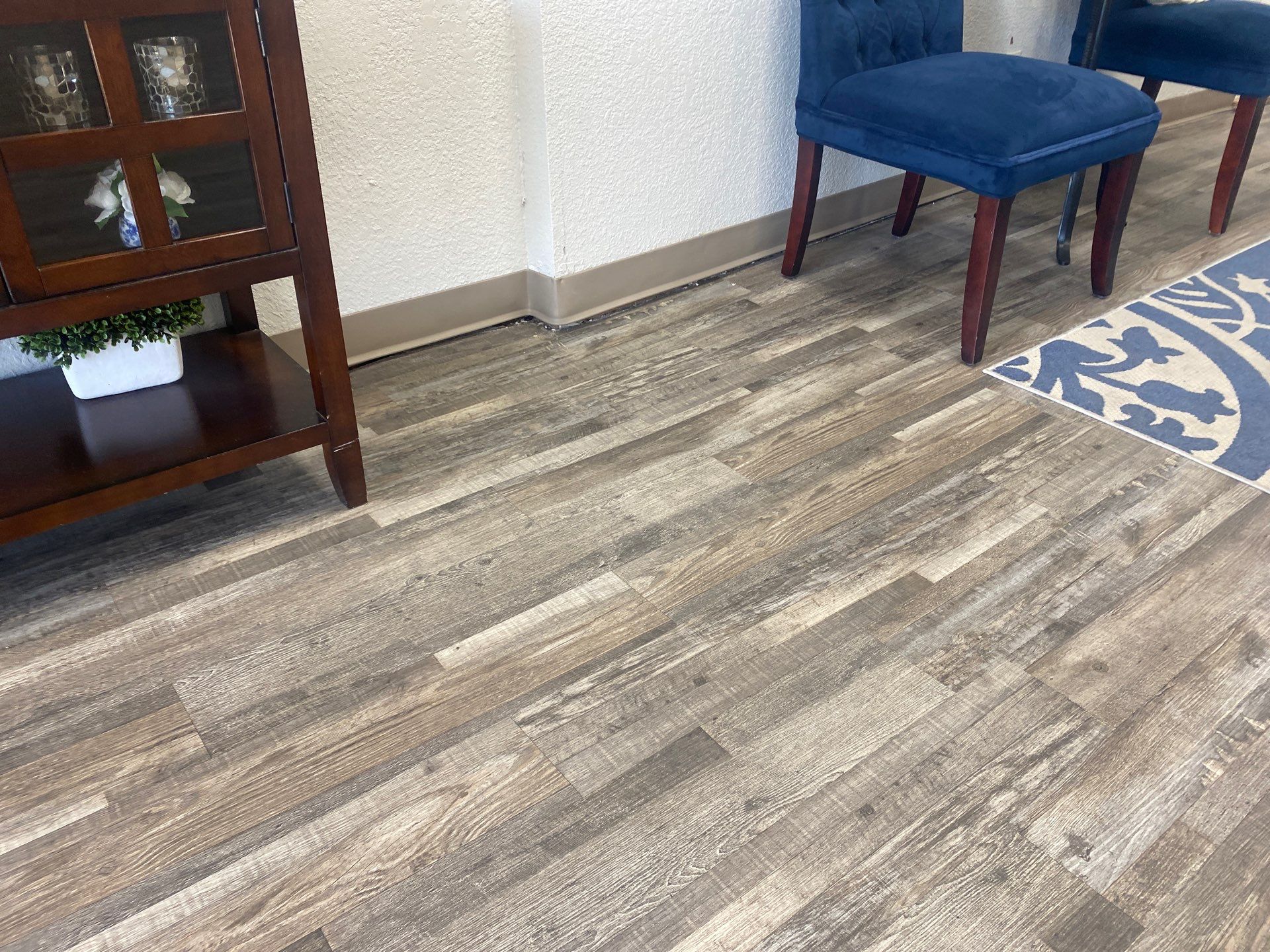
The nature of the damage is one of the most significant cost drivers. Hairline cracks caused by normal settling are very different from structural foundation cracks tied to ongoing movement or load-related stress. When foundation issues affect load-bearing areas or point to instability beneath the building, repairs tend to be more involved.
Active movement usually requires more extensive solutions than conditions that have stabilized over time. That distinction affects not only the repair method but also the amount of labor, materials, and planning required to address the issue properly.
Foundation Type and Building Design
The foundation system beneath a commercial property plays a major role in how repairs are approached and priced. Slab-on-grade foundations, pier-and-beam systems, and crawl space foundations each present different access challenges and repair techniques.
Building design adds another layer. Large footprints, attached structures, and integrated systems can limit access or require repairs to be staged carefully, which can influence both timelines and overall cost.
Size, Weight, and Use of the Building
Commercial buildings place far greater demands on their foundations than residential structures. The size of the building, the weight it supports, and how the space is used all factor into repair planning.
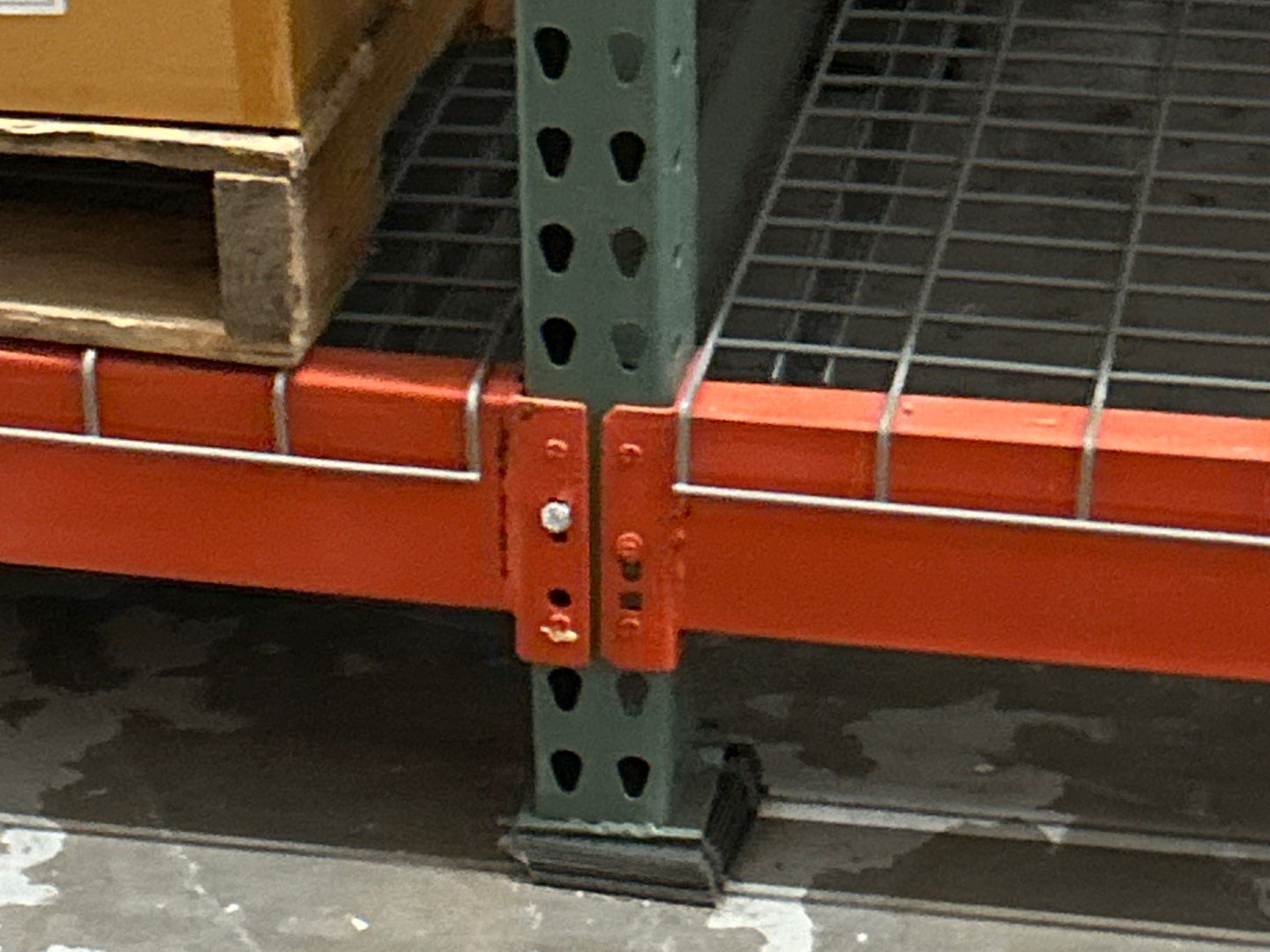
A warehouse doesn’t stress a foundation the same way an office building does, and a retail space has very different demands than an industrial facility. Heavy equipment, storage systems, or constant foot traffic can concentrate load in specific areas. This often means additional stabilization to make sure repairs hold up long after completing the work.
Soil Conditions and Moisture Issues
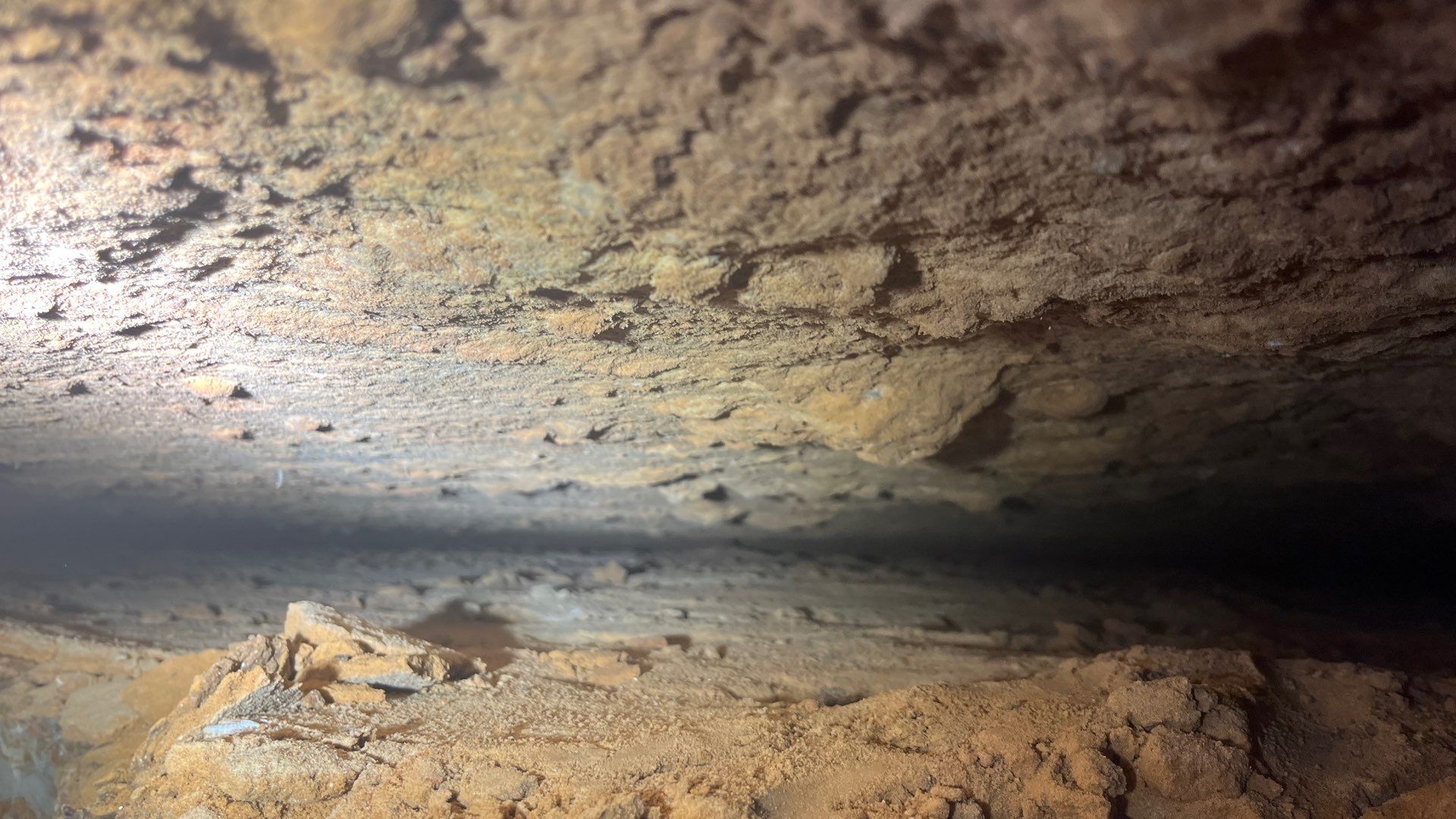
Soil plays a quiet but powerful role in how a foundation performs over time. In Texas, expansive clay soils are especially common, and they don’t stay still. As moisture levels rise and fall, the soil beneath a building expands and contracts. This creates movement that can stress the foundation.
Sometimes the cause is obvious, like standing water or poor drainage. Other times it’s less visible — a slow plumbing leak or uneven moisture around the property. Either way, these conditions often need to be addressed as part of the repair, and they can have a direct impact on overall cost.
Repair Method and Scope of Work
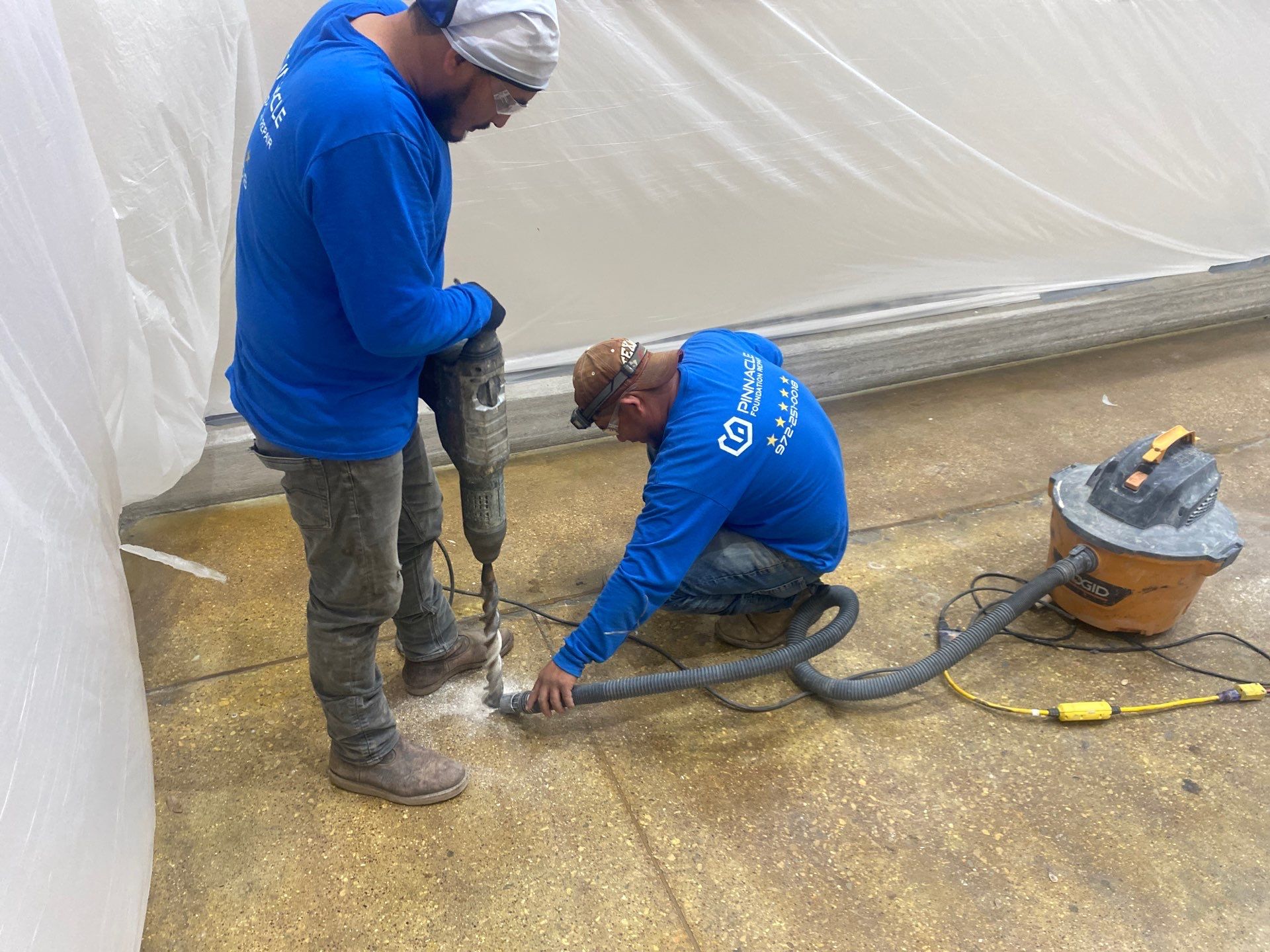
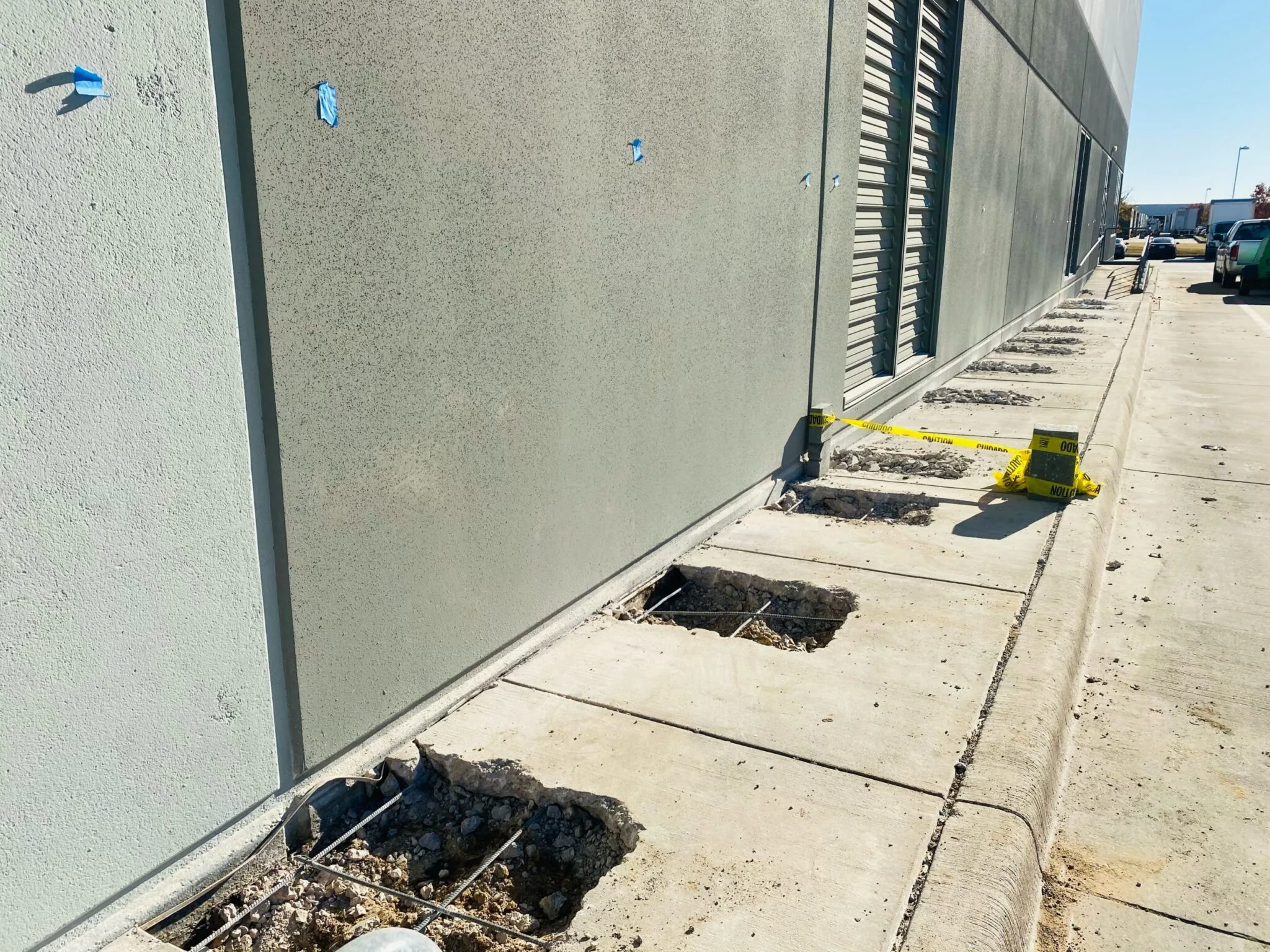
Not all foundation repairs require the same approach. Targeted stabilization in specific areas can correct some issues. Others call for more involved solutions, such as installing steel piers, reinforcing broader sections of the foundation, or improving drainage systems.
The wider the scope, the more resources the project demands. Repairs that extend across multiple areas of a commercial building typically involve more labor, more materials, and a higher overall investment than those limited to isolated problem spots.
Accessibility and Operational Constraints
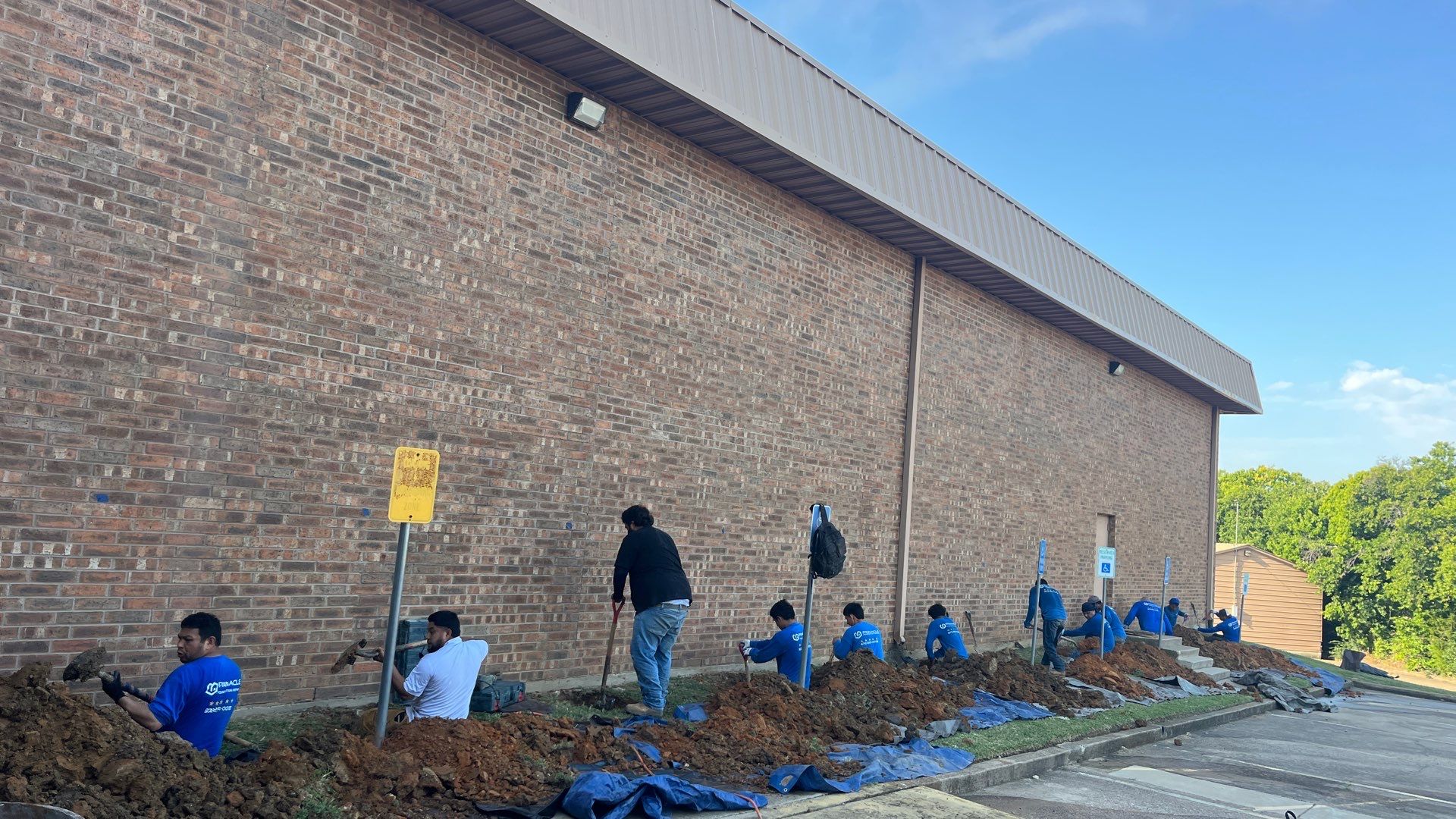
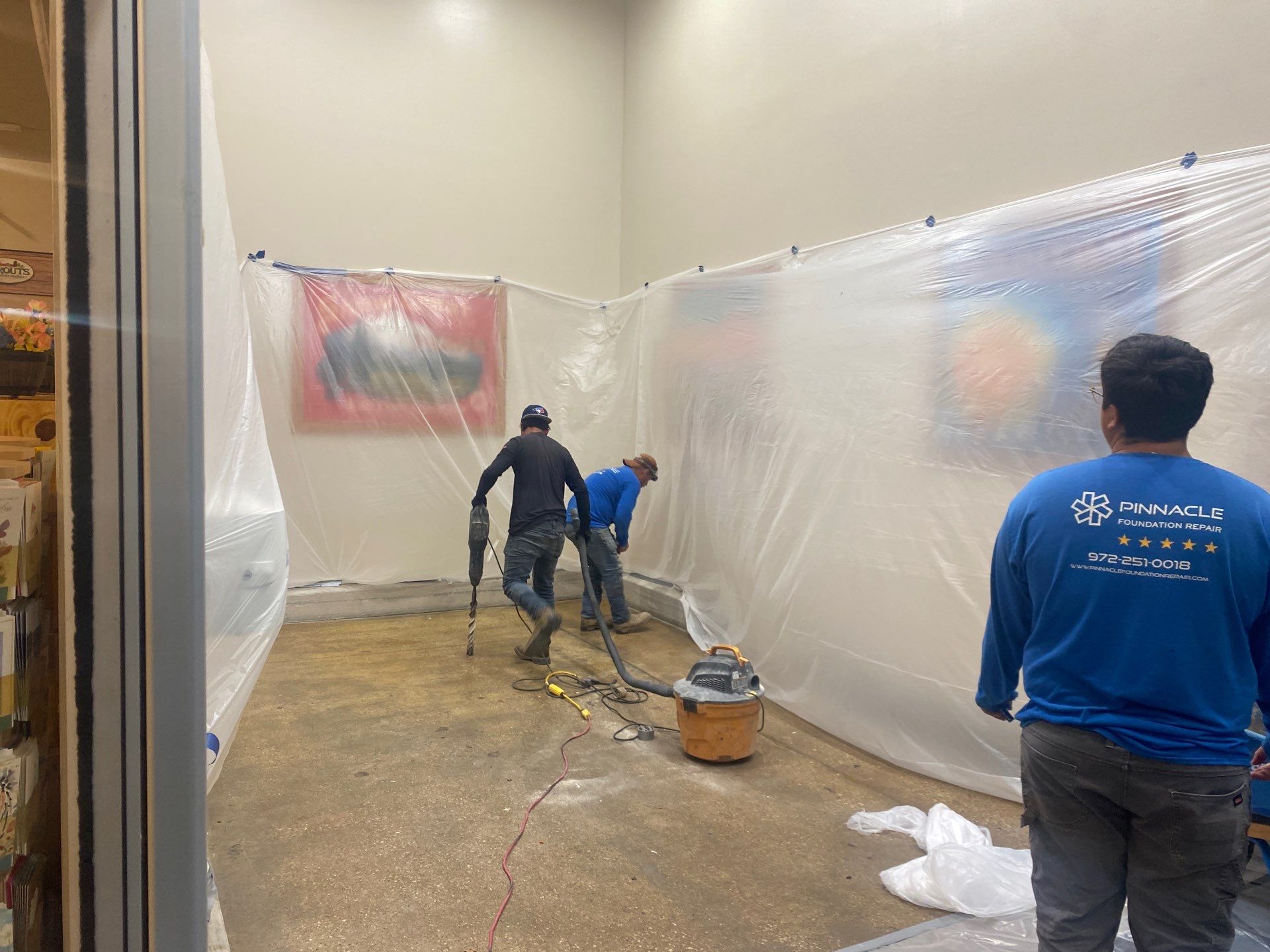
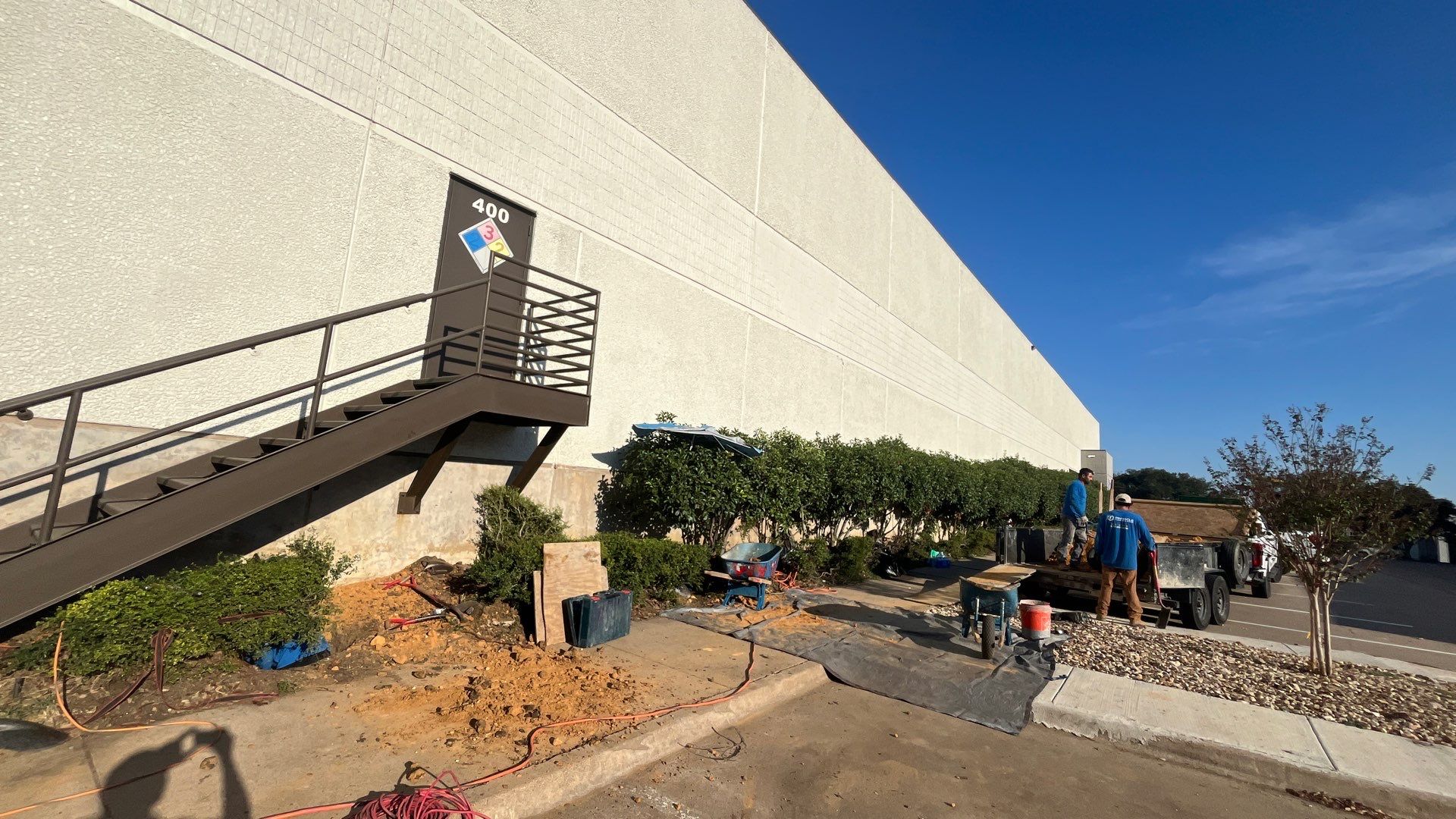
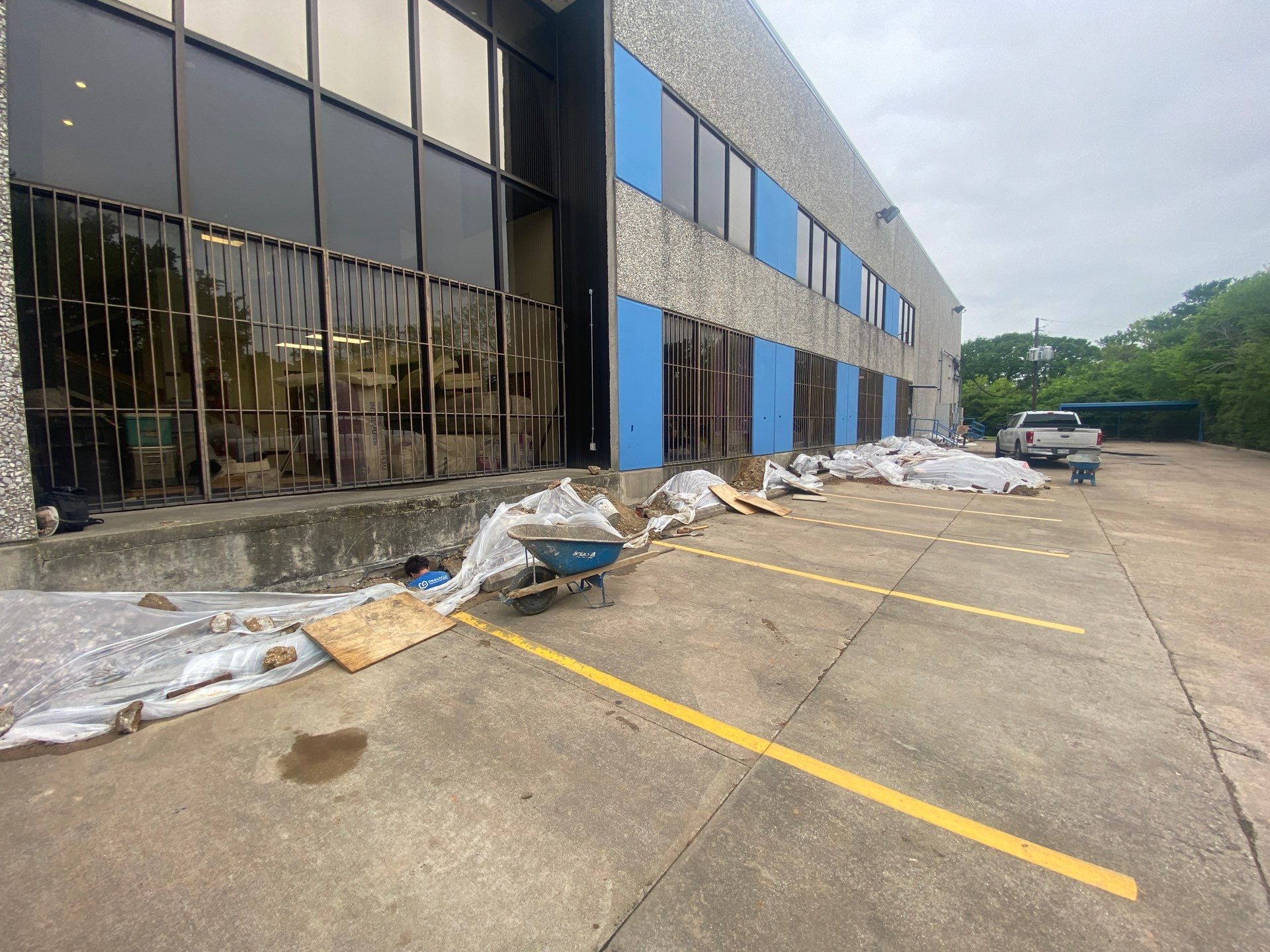
Access is another factor that can drive up the cost of commercial foundation repair. Tight spaces around the building, limited access beneath the structure, or crowded sites all add layers of complexity to the work.
Operations matter, too. When repairs have to be coordinated around tenants, business hours, or safety requirements, scheduling becomes more involved. That additional planning can affect both how long the project takes and what it ultimately costs.
Understanding Costs Through Inspection and Early Planning
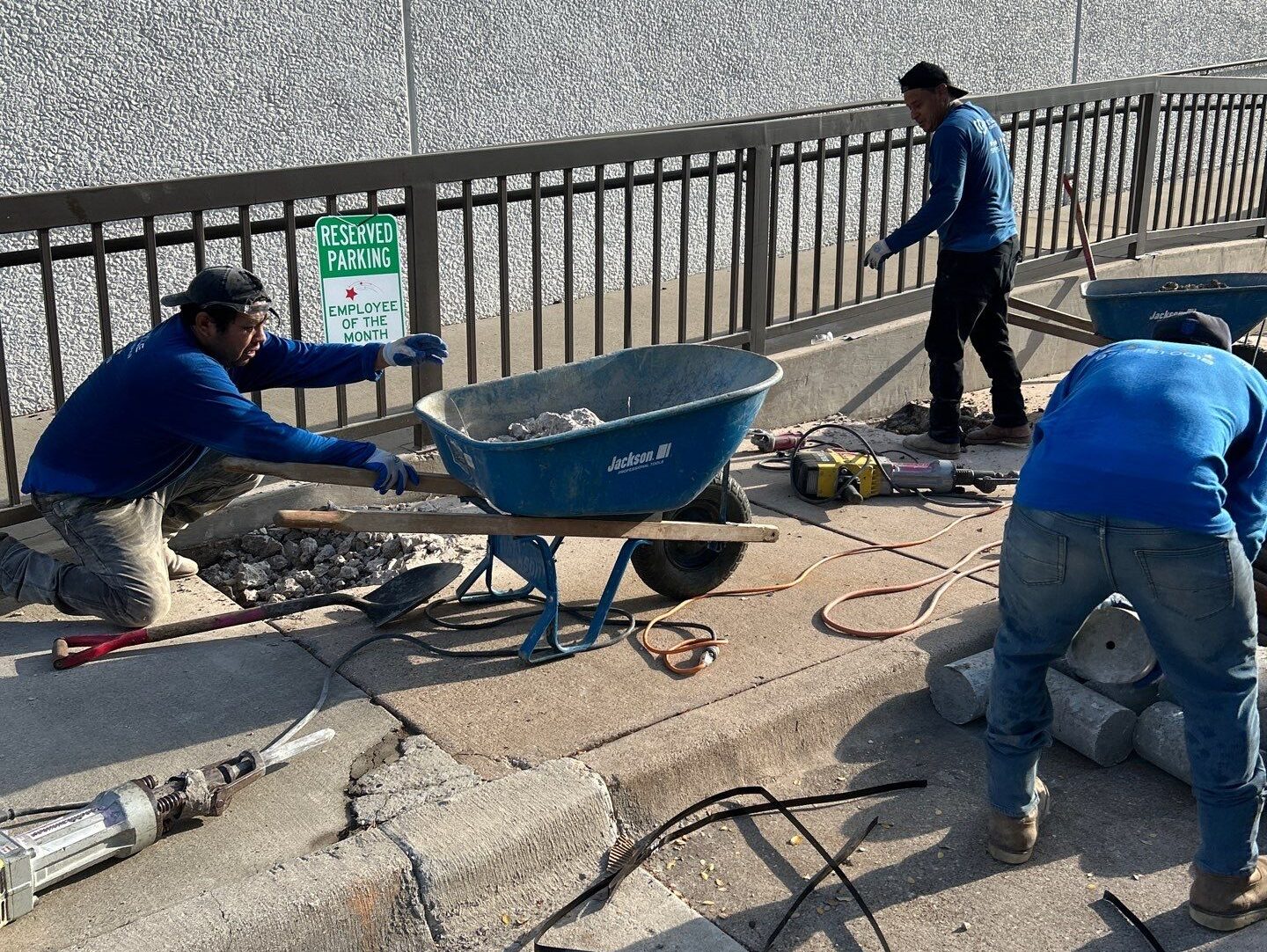
Accurate cost estimates start with a thorough foundation evaluation. A professional inspection helps identify the cause and extent of foundation issues, allowing repair plans to be built around real conditions rather than assumptions.
That early clarity matters. When damage, movement patterns, and contributing factors are clearly documented, the scope of work is easier to define, and unexpected costs are less likely to surface later. It also leads to more productive conversations with lenders, buyers, or partners, all of whom want a clear understanding of risk and next steps.
With that information in hand, commercial owners gain flexibility. Issues can be addressed before they escalate, and repairs can be scheduled around operations and capital planning instead of being rushed to meet transaction deadlines.
{Insert image of commercial foundation inspection here}
What Commercial Property Owners Should Know Before Budgeting Foundation Repairs
Commercial foundation repair costs rarely follow a standard formula. They’re shaped by a building’s design, the conditions beneath it, and the choices made as issues develop over time. That’s why two properties with similar surface damage can require very different levels of work once the full picture is understood.
For commercial owners, the value comes from knowing what drives those costs before decisions need to be made. If you own or manage a commercial property and want a clearer sense of what foundation repairs might involve, a professional evaluation can help establish realistic expectations. Pinnacle Foundation Repair offers free commercial foundation evaluations to help identify contributing factors early and determine what steps, if any, make sense before repair costs impact budgets, financing plans, or future projects.