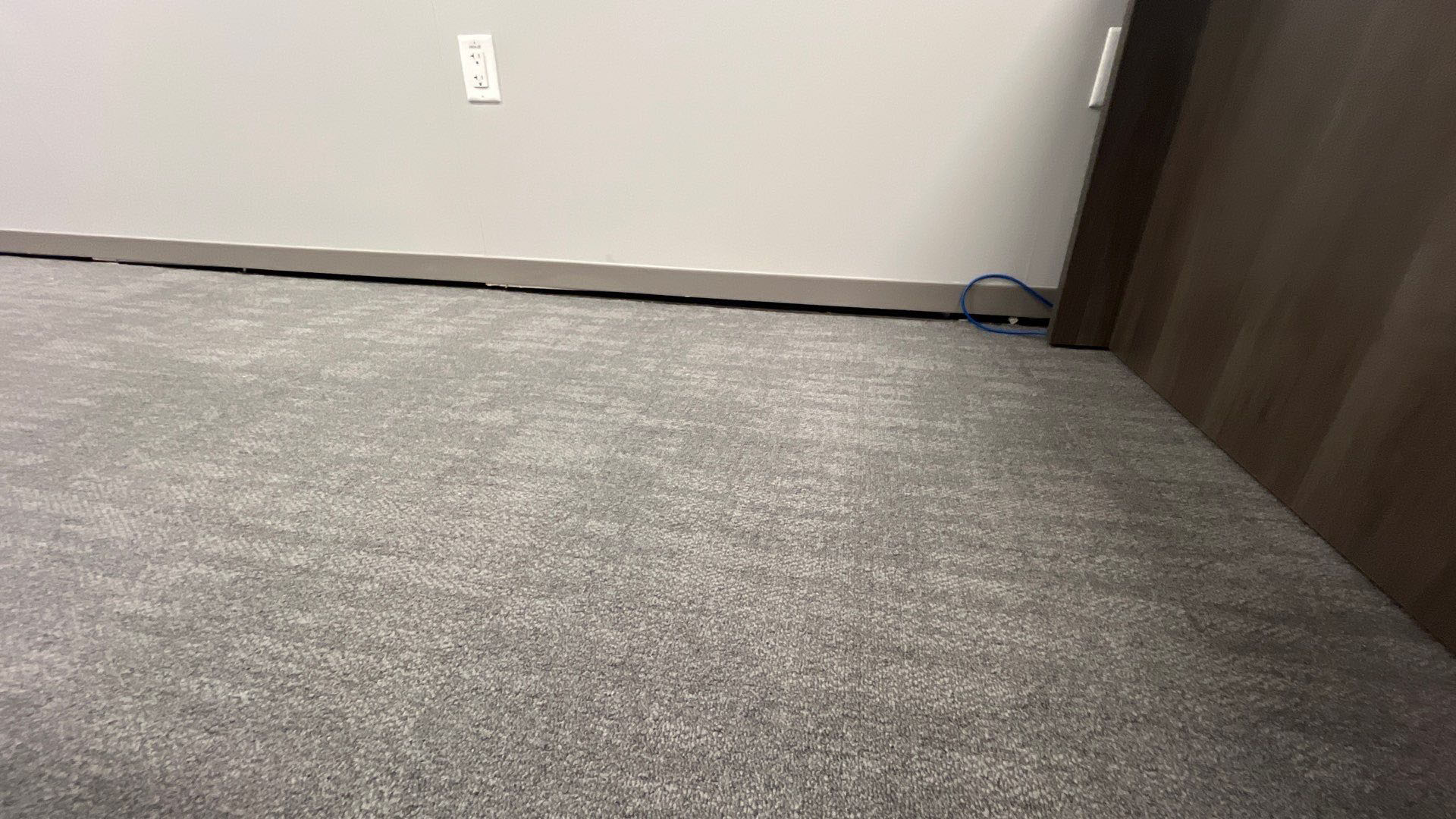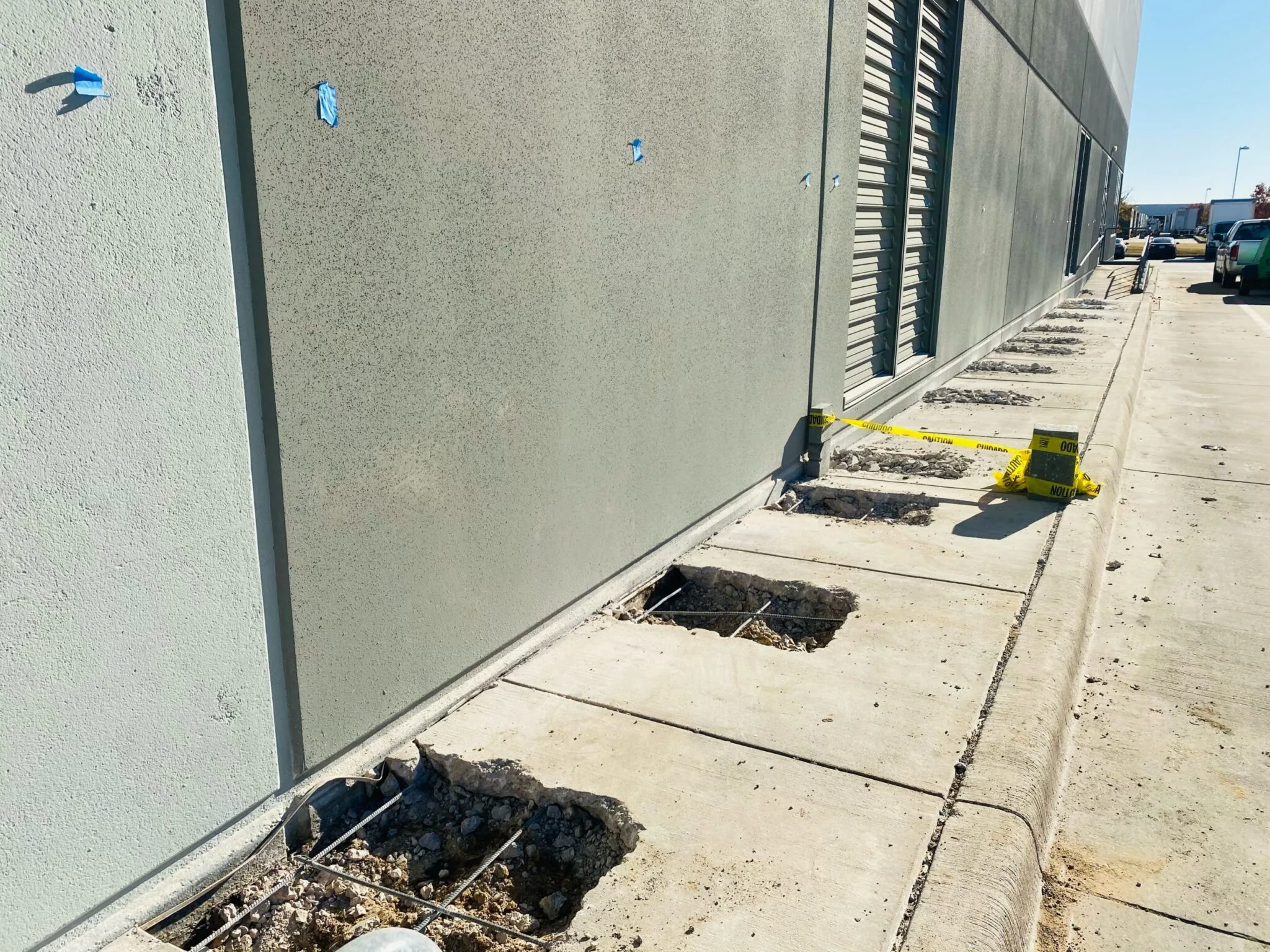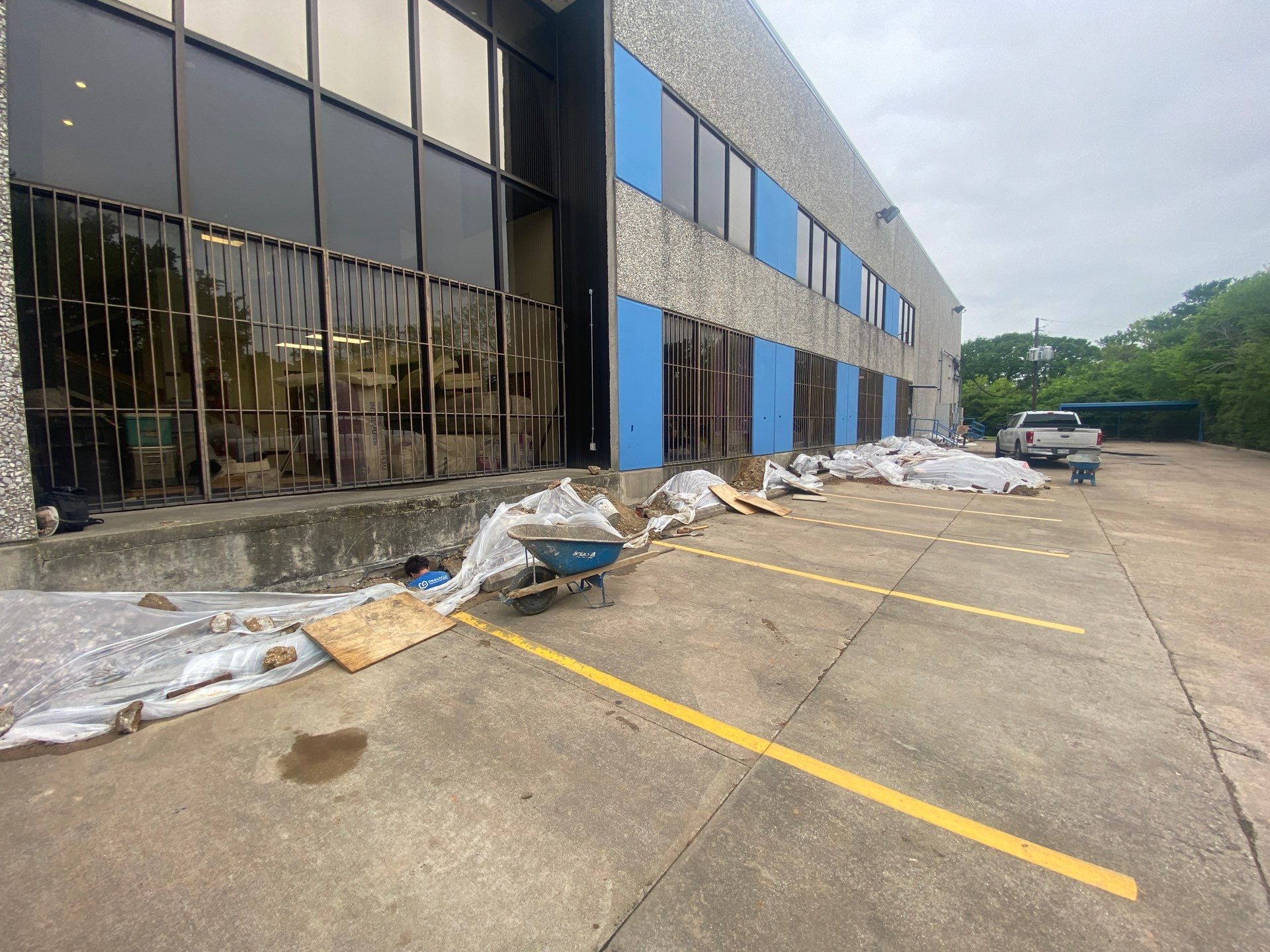

Heavy equipment is required to deliver loads of building materials, pour concrete, and lift windows and panels into place. But your commercial building’s foundation can become damaged by heavy equipment use, whether it’s one-time during construction or ongoing as part of normal business operations.
Even parking or storing heavy equipment near a building can cause soil stress, leading to foundation damage. In this guide, we’ll educate property owners and facility managers alike on how to recognize the risks of soil compaction and know when to call in the foundation professionals for help.
What Is Foundation Settlement?
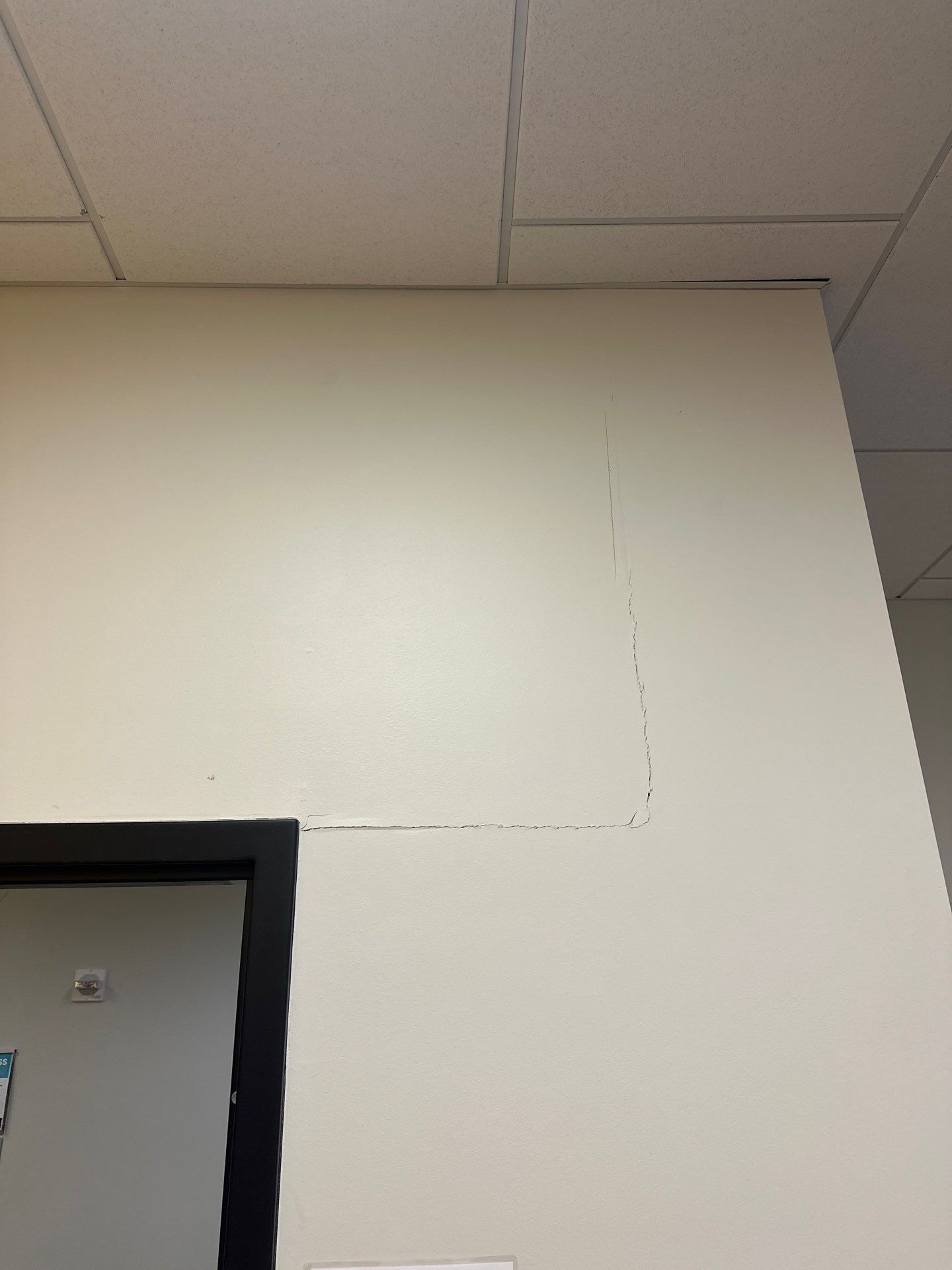
All buildings settle over time, and most commercial buildings can handle uniform settlement where the entire structure moves downward relatively evenly. The problem comes from differential settling, where some portions of the footings and foundation walls settle faster than others.
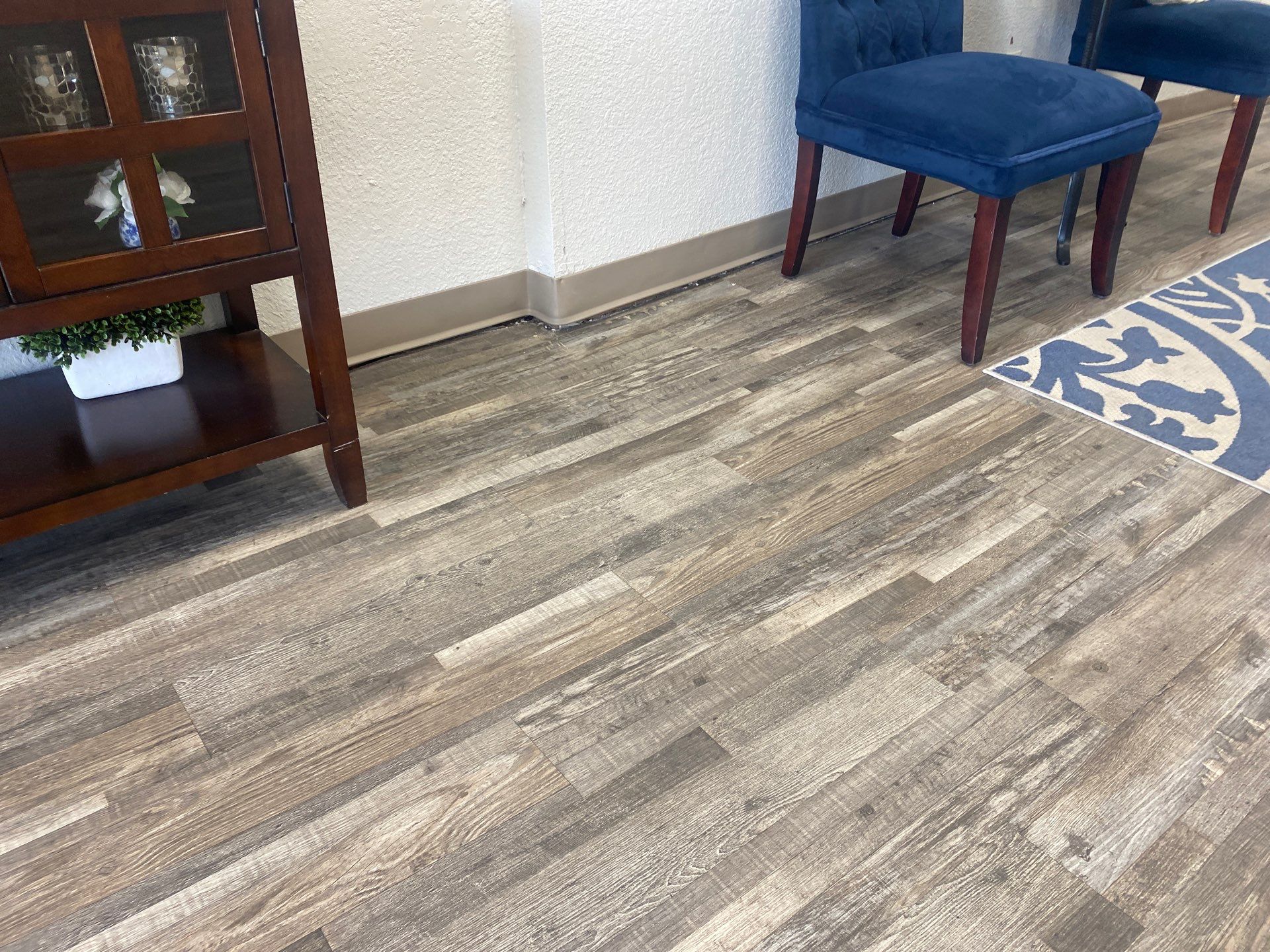
Uneven settling is a concern because it puts strain on the joints and connections between the various parts of the foundation. Common warning signs of damaging settling include:
- Cracks opening up in basement walls or the ceilings, walls, and floors in upper floors
- Gaps appearing around windows and doors
- Difficulty opening and shutting doors and windows
- Sloping floors that were once level
- Uneven and cracked floors
- Noticeable foundation movement.
How Heavy Equipment Increases Soil Stress
Most pieces of heavy equipment rely on tracks, tires, or stabilizers like outriggers to transfer their weight evenly over the ground. That puts a lot of vertical stress on the soil, especially when dump trucks or bucket loaders are weighed down with building materials. Soil becomes compacted, especially loose granular soils, expansive clay, and poorly compacted pockets. This, in turn, reduces support under the foundation, causing or worsening damage. Or it can increase lateral pressure against the foundation walls, leading to bowing and collapse. The constant use of heavy equipment through all stages of construction leads to repeated loading, further deforming the soil around your foundation.
Concentrated loads, such as those caused by stabilizers and small pieces of heavy equipment, tend to create far more soil compression and compaction issues than evenly distributed loads. Even something as simple as requiring tracked vehicles instead of those with tires can protect the soil around the foundation.
Almost all pieces of equipment used on the commercial construction site are heavy enough to lead to soil compaction, including dump trucks, loaders, bulldozers, cranes, excavators, and specialty material handling equipment. Pickup trucks, hand equipment, and small pallet-sized loads of building materials usually won’t affect the soil or the foundation. Above all else, make sure there’s no chance of a vehicle or heavy equipment driving over the top of the foundation wall. Not only will it damage the exposed part of the foundation, but it also risks serious damage to the equipment and its operator if it slides into the excavated basement or crawlspace.
How Equipment Placement Can Affect an Existing Foundation
Keeping heavy equipment away from the foundation walls protects not only the basement walls from damage due to soil compaction, but it also protects the footings deep below the surface. Parking, operating, or moving heavy equipment beside structures leads to settling deep in the dirt. This is especially likely to occur if you’re using equipment so large it needs outriggers and stabilizers to prevent tipping, which concentrates vertical loads in small spaces to increase the likelihood of soil movement.
Even storing heavy building materials like steel beams, concrete ingredients, and bricks can affect the soil if it’s compressible. Stack materials away from the edges of the walls to protect the soil supporting your foundation. Although it may be convenient to use the overhanging edges of structures under construction to cover material stacks, it’s better to set up separate tarps and keep the excess weight away from the building site. This is especially true for areas with soil that was recently excavated and is still settling.
How to Reduce Settlement Risk From Heavy Equipment
Start with engineered site-loading and equipment-placement plans. Work with the geotechnical engineers handling the soil surveys and compaction plans to identify vulnerable zones with clay, compressible, granular, or loose soils. Keep heavy equipment and unusually concentrated loads away from these zones with barriers and signage.
Maintain proper drainage around the foundation excavation area both before and after the concrete is poured. If heavy vehicles and equipment pass over soil that is too dry or wet, it’s more likely to shift than if it’s kept at the right moisture level. Load distribution measures like panels or temporary road works that distribute weight over a larger surface area allow for safe access near the foundation walls.
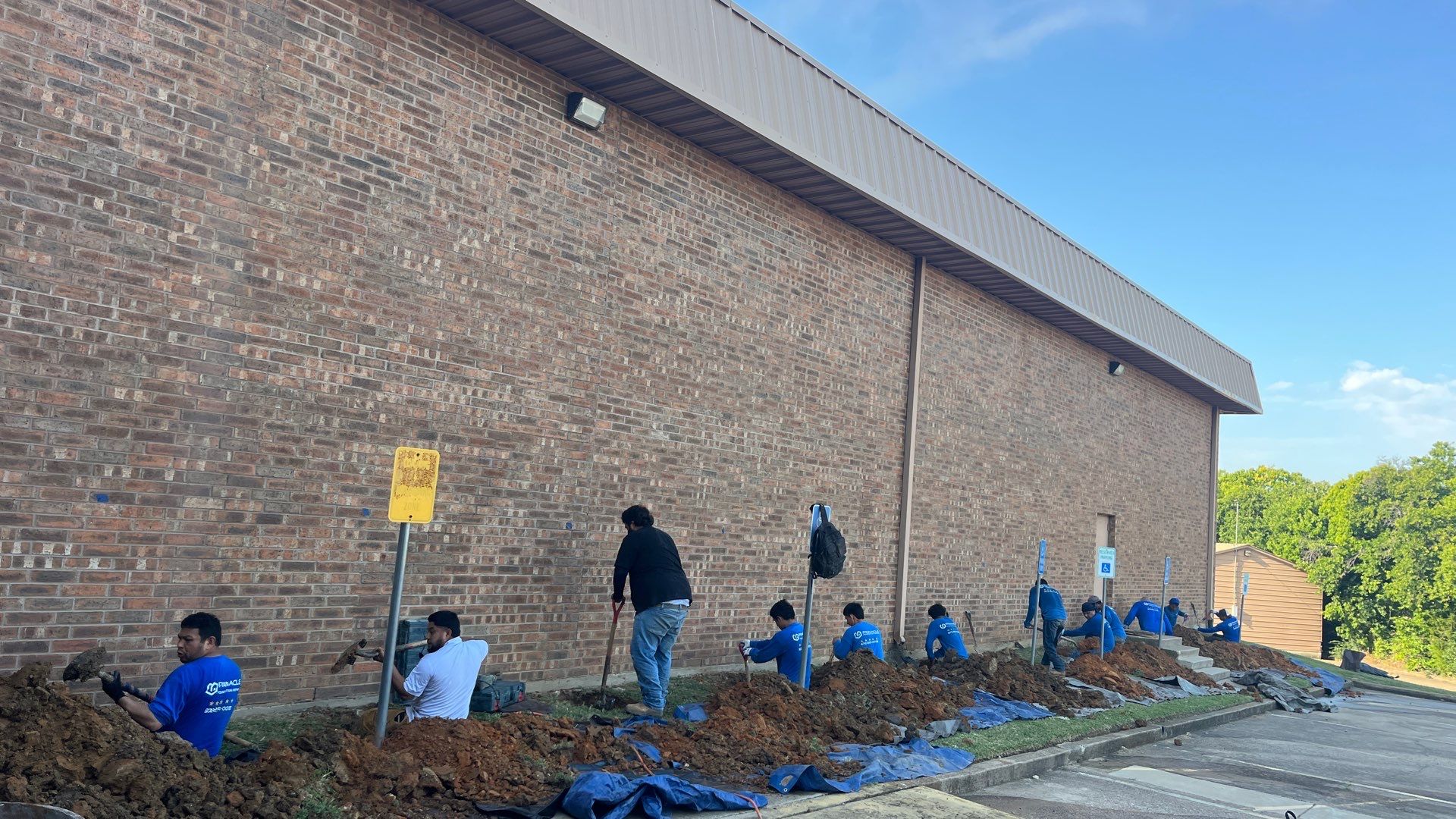
Monitor the soil around the foundation walls, keeping a lookout for cracks, shrinking that leads to soil pulling away from the vertical surfaces, and depressions on the surface. If you know you’re dealing with questionable soil conditions or existing settlement problems, work closely with a geotechnical engineer and foundation company to create a safety plan to prevent soil disturbance during the rest of construction.
Connect with Pinnacle Foundation Repair for Help
Heavy equipment may be necessary on commercial construction sites, but it still poses hazards to the structure itself. A dump truck or back-end loader doesn’t have to roll over the exposed foundation wall to cause damage, either. Just parking equipment or arranging heavy loads of materials too close to the foundation can exacerbate foundation conditions that are vulnerable to compaction.
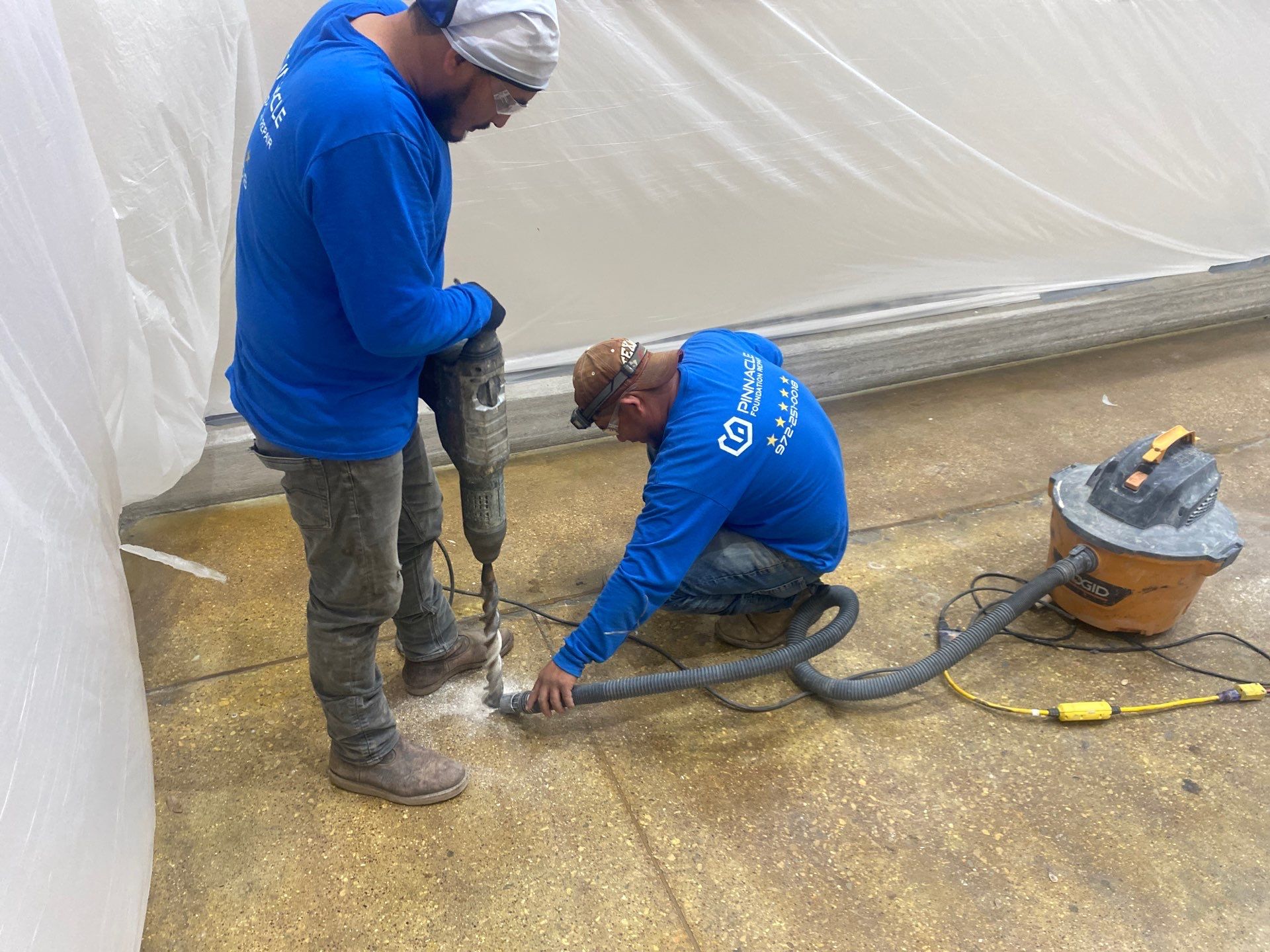
Equipment weight alone doesn’t always determine the outcome of using heavy equipment around a commercial construction site. Other factors such as load concentration, proximity to the top of the foundation wall, and overall design all matter as well. When you have to use heavy equipment close to a building foundation, make sure you bring in the experts to help you avoid vulnerable zones and make a plan to protect the rest of the soil. Pinnacle Foundation Repair can help with soil assessments, damage evaluations, repair recommendations, and more. Contact us today for a free evaluation to determine if heavy equipment use during construction may have damaged your foundation.